
Key Takeaways
- Keep the heat on at 55 degrees or higher for a short vacancy. That is the minimum the American Red Cross recommends when a home sits empty in cold weather.
- Winterize if the unit will sit empty for a long stretch: shut off the water, drain the lines and water heater, and put RV antifreeze in the toilets and drain traps.
- Check your insurance before the unit goes empty. Many policies limit coverage once a property has been vacant 30 to 60 consecutive days, and burst pipes are one of the losses that can be excluded.
- Someone has to look. Weekly check visits, a Wi-Fi thermostat with low-temperature alerts, and leak sensors catch a problem before it runs for days.
To prevent frozen pipes in a vacant Cincinnati rental, keep the heat on at 55 degrees or higher for short gaps between tenants, and fully winterize the plumbing when the unit will sit empty for more than a few weeks or the heat has to be off for a renovation. Either way, call your insurer first, schedule weekly check visits, and add a temperature or leak sensor. Cincinnati’s first freeze comes around October 25 in a typical year, so the plan needs to be in place by mid-October.
For freeze prevention in an occupied home, see our tips to keep your pipes from freezing. If a pipe has already frozen, read whether to turn off the water when pipes are frozen.
Why Vacant Cincinnati Rentals Freeze More Often
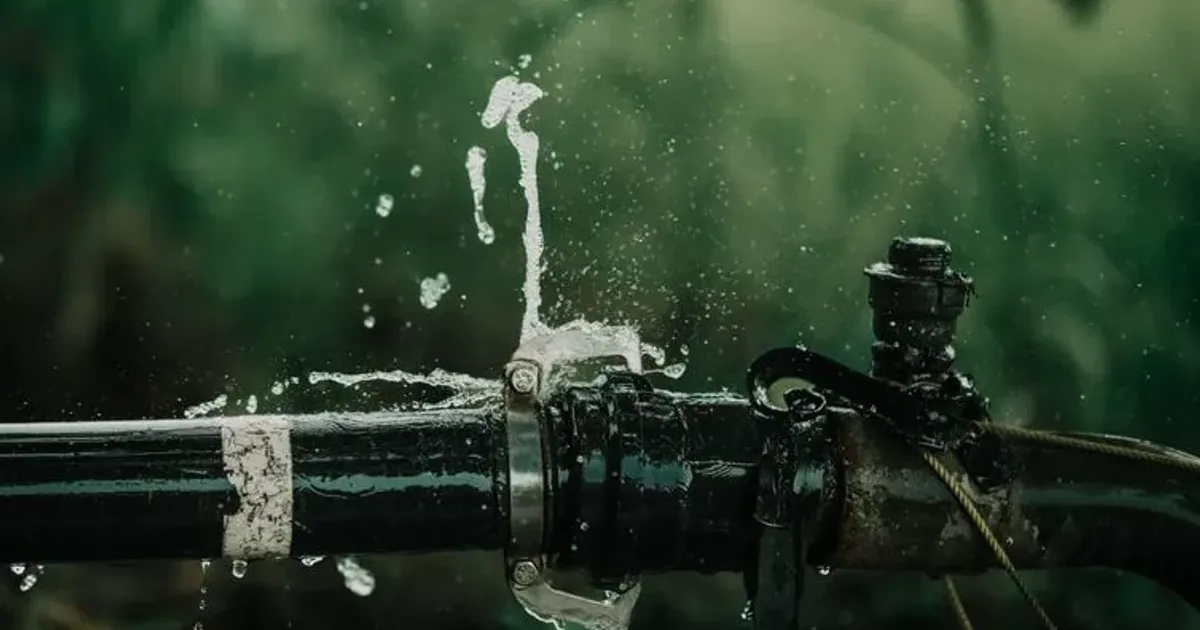
An occupied unit has someone running water every day, noticing when a room feels cold, and calling when a ceiling drips. A vacant unit has none of that. The thermostat gets turned down, cabinet doors stay shut against cold walls, and the tenant may have closed the gas account on the way out. If the furnace quits on a January night, nobody knows until a pipe has split and run for days, soaking drywall, flooring, and the unit below.
Timing matters too. According to the National Weather Service climate normals for Cincinnati, the first freeze comes around October 25 in a typical year and by October 12 in 1 year out of 10. A unit that turns over in mid-October needs a freeze plan on move-out day.
Keep the Heat On: The Minimum Thermostat Setting
For a vacancy of a few weeks, the simplest protection is heat. The American Red Cross says that if you will be away during cold weather, leave the heat on and set it no lower than 55 degrees. Treat 55 as the floor, not the target. A pipe inside an exterior wall or under a sink against an outside wall sits several degrees colder than that, so in a drafty older unit we would set it a few degrees higher.
Keep the utilities on in your name. If the tenant closes the gas account, the furnace stops. Duke Energy runs a Revert-to-Owner program for landlords that switches the account to you when a tenant ends service, until the next tenant sets it up. Confirm each property is enrolled for both gas and electric before winter.
Open the cabinet doors under kitchen and bathroom sinks, and leave interior doors open so heat reaches every room.
Change the filter and check the furnace before the unit goes empty. A clogged filter can trip the furnace’s safety switch, and nobody is there to notice. Our rental turnover checklist covers the full walk-through between tenants.
When to Fully Winterize a Vacant Unit
Heat protects the pipes only while it stays on. Winterizing removes the water, so nothing is left to freeze. Winterize when the unit will sit empty through a long stretch of winter, when the heat will be off for a renovation, when you don’t trust an old furnace or boiler unattended, or when the vacancy will run past the window your insurance allows.
Here is our view: if a unit will sit empty for more than 30 days between November and March, either winterize it or get a vacancy endorsement from your insurer before day one. According to the Insurance Information Institute, most homeowners policies limit or exclude coverage once a property is unoccupied for typically 30 to 60 consecutive days, and undetected water leaks and burst pipes are on the list of what can go uncovered.
Winterizing Steps
Shut off the water at the main and confirm it holds by opening a faucet. If the valve won’t close all the way, which is common with old gate valves, the water has to be shut off at the curb instead (see the next section).
Drain the lines. Open every faucet, hot and cold, starting at the top floor and working down to the lowest fixture. Flush the toilets, and disconnect the washing machine hoses and ice maker line.
Drain the water heater. Turn off the gas to the water heater or switch off its breaker first. An electric water heater powered on while empty will burn out its heating elements. Then open the drain valve and empty the tank. Our post on preparing a water heater for winter has more on the tank itself.
Protect the toilets and drain traps. Sponge out what is left in each toilet tank and bowl, then pour RV antifreeze into the bowl and into every sink, tub, shower, and floor drain so the trap holds antifreeze instead of water. Use only non-toxic propylene glycol antifreeze sold for RV and marine plumbing. Never use automotive antifreeze.
Label it. Tag the main valve and the kitchen sink: “Winterized, water off, do not turn on.” A drained house with open faucets floods fast if someone turns the water back on.
If the Unit Has a Boiler
Many older Cincinnati rentals heat with a hot water or steam boiler, and those pipes and radiators hold water too. If the heat will be off, that system has to be drained or filled with boiler-rated antifreeze, then refilled and bled in the spring. That is a job for a heating technician, and part of our boiler service.
Shutting Off Water With Greater Cincinnati Water Works
If your inside main valve is seized or leaks by, Greater Cincinnati Water Works can turn the water off at the curb. GCWW asks customers who need service turned off or on to call (513) 591-7700, 7:30 a.m. to 4:30 p.m., Monday through Friday, excluding holidays. Call well before a cold snap, not the day of one.
GCWW also offers a permanent disconnection of the service branch, which removes the meter and stops the base charge. Reconnecting later means a new connection through a licensed plumber at considerable expense, so for a unit you will rent again, ask for a shutoff instead.
Units in Northern Kentucky or Southeast Indiana are served by other water utilities, so check with yours.
Vacancy Clauses: What Your Insurance May Stop Covering
We are plumbing and heating contractors, not insurance agents, so read your own policy and confirm with your agent. In general terms, here is how the Insurance Information Institute describes it:
There is a clock. Policies often limit or exclude coverage after a property has been unoccupied for typically 30 to 60 consecutive days. Landlord policies have their own wording, so check how yours defines a vacancy.
Water damage is one of the exposures. Undetected leaks and burst pipes are among the risks that can go uncovered. Even when a sudden burst is covered, insurers may ask for proof you took reasonable steps, such as keeping the heat on.
You can buy the gap back with a vacancy endorsement or a vacant home policy. It costs more than a standard policy.
Keep records either way: move-out date, thermostat settings, dated check visit notes with photos, and the winterizing date. That paper trail is how you show the property was looked after.
Check Visits for Vacant Cincinnati Rentals: How Often and Who Does Them
A vacant unit in winter should get a walk-through at least once a week, and again after any very cold night. Confirm the thermostat reading and that the heat actually runs. Look under every sink and at the ceilings for stains or drips. Check the basement and crawl space for water. On a winterized unit, confirm the main is still off.
Who does it matters less than that it gets done and written down: you, your property manager, a trusted neighbor, or the renovation contractor. Give them a short checklist and a number to call. A walk-through doesn’t necessarily make the property “occupied” under your policy, so ask your agent how your insurer counts it.
Remote Temperature and Leak Sensors
A Wi-Fi thermostat that sends a low-temperature alert is the most useful single device. If the furnace quits, you hear about it while the house is still above freezing.
Water leak sensors are small pucks that sit on the floor under the water heater, the kitchen sink, and the washing machine, and alert your phone when they get wet. If you suspect a hidden leak after a cold snap, our leak detection service can track it down.
An automatic shutoff valve on the main line closes itself when it detects a leak or freezing temperatures. It needs a plumber to install, but it stops the water instead of just reporting it.
One catch: most of these need internet, and a vacant unit often has none. Choose devices with a cellular hub or keep a basic internet plan on for the winter, and pick ones that alert you when they go offline.
Weak Spots in Older Cincinnati Housing
The Red Cross lists the pipes most at risk: outdoor hose bibs, pipes in unheated basements, crawl spaces, attics, and garages, and pipes against exterior walls with little or no insulation. Older Cincinnati rentals tend to have all of them.
Exterior hose bibs. Disconnect and drain the hoses, close the inside valve that feeds each bib, then open the outside faucet to drain it and leave it open. A frost-free sillcock can still split if a hose is left attached.
Pipes in exterior walls. Kitchen sinks under windows, bathrooms added over enclosed porches, and supply lines in uninsulated outer walls are common freeze points in older homes. Open those cabinet doors and keep the heat a little higher in those rooms.
Crawl spaces and basements. Close crawl space vents for the winter, replace missing insulation, and wrap exposed pipes with foam pipe sleeves or UL-listed heat cable.
If a section of old galvanized or poorly routed pipe freezes every winter, rerouting it inside the heated space is usually cheaper than repairing it each year. Our pipe repair and replacement service covers that work.
When You Don’t Need a Plumber
Most of this is landlord work. If the unit has a forced-air furnace, a main valve that closes cleanly, and a tank water heater, you can winterize it yourself with a bucket, a sponge, and a few jugs of RV antifreeze. Hose bibs, thermostat settings, leak sensors, and check visits don’t need a license either. For a short vacancy with the heat on and someone checking weekly, you probably don’t need us.
Call a technician when the unit has a boiler, when the main valve won’t close, when the furnace is old or has been unreliable, when you want an automatic shutoff valve installed, or when a pipe has already frozen or burst. For a burst pipe, shut off the main and call our emergency plumbing line.
Protecting Vacant Rentals in Cincinnati This Winter
Degree of Comfort services rental homes and multi-unit buildings across Cincinnati and the surrounding Tri-State, including Northern Kentucky and Southeast Indiana. We can check the furnace or boiler before a unit goes empty, winterize the plumbing and heating system, install leak shutoff valves, and get everything running again when the next tenant signs. We are family-owned, licensed and insured, with upfront, flat-rate pricing. Landlords on our Comfort Club get priority scheduling ahead of non-members and up to 20% off repairs.
Call (513) 586-5107 or request an estimate for your vacant units.
Frequently Asked Questions
Let Degree of Comfort Handle It
Our licensed technicians serve Cincinnati and surrounding areas. Same-day service available.
Call (513) 586-5107