
Key Takeaways
- Yes — shut off the main water supply if your pipes freeze. It relieves pressure and limits the damage if a pipe bursts.
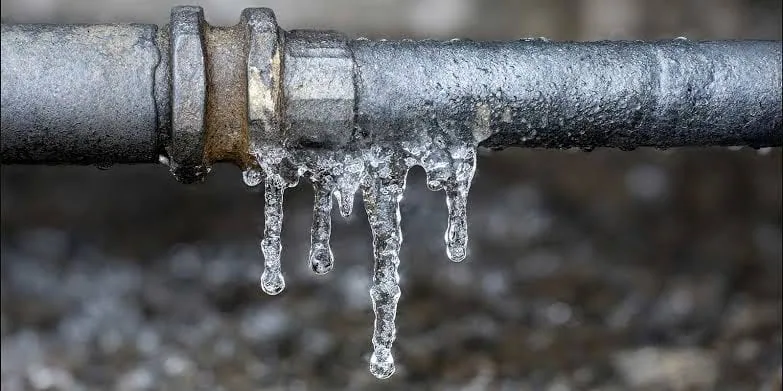
- Frozen water expands and can crack or split a pipe, so the danger is a burst once it thaws.
- Thaw slowly and safely with a hair dryer, space heater, or warm towels — never an open flame — and keep a faucet open.
- Inspect for leaks after thawing and call for emergency plumbing if a pipe has burst or you find damage.
Yes. If your pipes freeze, turning off the main water supply is the right first move. It reduces the pressure building behind the ice, and if a pipe has already cracked, it limits how much water floods your home the moment it thaws. A frozen pipe is really a burst pipe waiting to happen, and shutting off the water is how you get ahead of it.
Here is why it matters and exactly what to do, step by step.
Why Shutting Off the Water Matters
When water freezes it expands, and that expansion puts enormous pressure on the pipe from the inside. The pipe can crack or split, but often it holds while frozen — then bursts as it thaws and water rushes back through the break. Shutting off the main supply does three things: it relieves the pressure so a stressed pipe is less likely to fail, it minimizes flooding if a pipe has already cracked, and it removes the safety hazard of water spraying near electrical or in a finished space. A burst pipe can release hundreds of gallons fast, so getting the water off early is what saves you from major water damage.
What to Do When Your Pipes Freeze
Work through these steps in order. Stay calm — most frozen pipes can be handled safely if you act quickly.
1. Find the Frozen Section
A frozen pipe usually gives itself away: no water or just a trickle from a faucet, frost or condensation on the pipe, or a visible bulge. Check the coldest, least-heated spots first — exterior walls, the basement, crawlspace, garage, and under sinks. Knowing where the freeze is tells you where to focus the thawing.
2. Turn Off the Main Water Supply
Before thawing anything, shut off the main water valve (usually where the line enters the home, often in the basement or near the water heater). This is the key step that keeps a burst from flooding the house. Leave it off until you have thawed the pipe and confirmed there is no leak.
3. Thaw the Pipe Slowly and Safely
Apply gentle heat to the frozen section with a hair dryer, a space heater kept clear of anything flammable, heat tape, or towels soaked in warm water. Work from the faucet end toward the frozen area so melting water can escape. Go slowly — never use a blowtorch or any open flame, which can damage the pipe, start a fire, or cause the ice to expand too fast and crack the pipe.
4. Open a Faucet
Open the faucet fed by the frozen pipe before you start thawing. As the ice melts, running water helps break up the blockage and, most importantly, relieves pressure so the pipe is far less likely to burst as it clears.
5. Check for Leaks and Cracks
Once the pipe has thawed and flow returns, slowly turn the main water back on and inspect the pipe closely for cracks, splits, or dripping. Freezing can leave damage that only shows up under pressure, so watch the section for a few minutes. If you see any leak, shut the water back off.
6. Call a Professional
If you cannot locate or reach the frozen section, the pipe will not thaw, or you find a crack or a burst, call a licensed plumber. A pro can safely thaw hard-to-reach pipes and handle pipe repair or replacement. A pipe that has already burst is an emergency — leave the water off and call right away.
How to Keep Pipes From Freezing
Prevention beats a burst every time. Insulate exposed pipes in unheated areas with foam sleeves, seal drafts near the plumbing, and keep the thermostat set no lower than about 55°F even when you are away. On the coldest nights, let a faucet drip slightly — moving water is much harder to freeze — and open cabinet doors so warm air reaches the pipes under sinks. For homes that freeze up repeatedly, our plumbing team can pinpoint the vulnerable spots and fix them for good.
Frozen or Burst Pipe? Call Degree of Comfort
A frozen pipe can turn into a flooded home fast, and it is not always a job to tackle alone. Degree of Comfort handles frozen, cracked, and burst pipes, and offers emergency plumbing when you need it most. We serve homeowners across Cincinnati and the surrounding Tri-State, including Northern Kentucky and Southeast Indiana, and we are family-owned, licensed and insured, with upfront, flat-rate pricing and a satisfaction guarantee.
Dealing with a frozen or burst pipe? Call (513) 586-5107, ask about plumbing repair, or request an estimate and let our team handle it.
Frequently Asked Questions
Let Degree of Comfort Handle It
Our licensed technicians serve Cincinnati and surrounding areas. Same-day service available.
Call (513) 586-5107