
Key Takeaways
- Inspect while the unit is empty. Turnover is the one time you have full access without scheduling around a tenant.
- Run every system you can: the heat, every faucet and drain, every outlet and switch, and the air conditioning when it is warm enough outside.
- Clean the dryer vent every time. The U.S. Fire Administration lists failure to clean as the leading factor in residential dryer fires, at 34%.
- Photograph and date everything. In Ohio, deposit deductions have to be itemized in writing within 30 days after the tenant moves out.
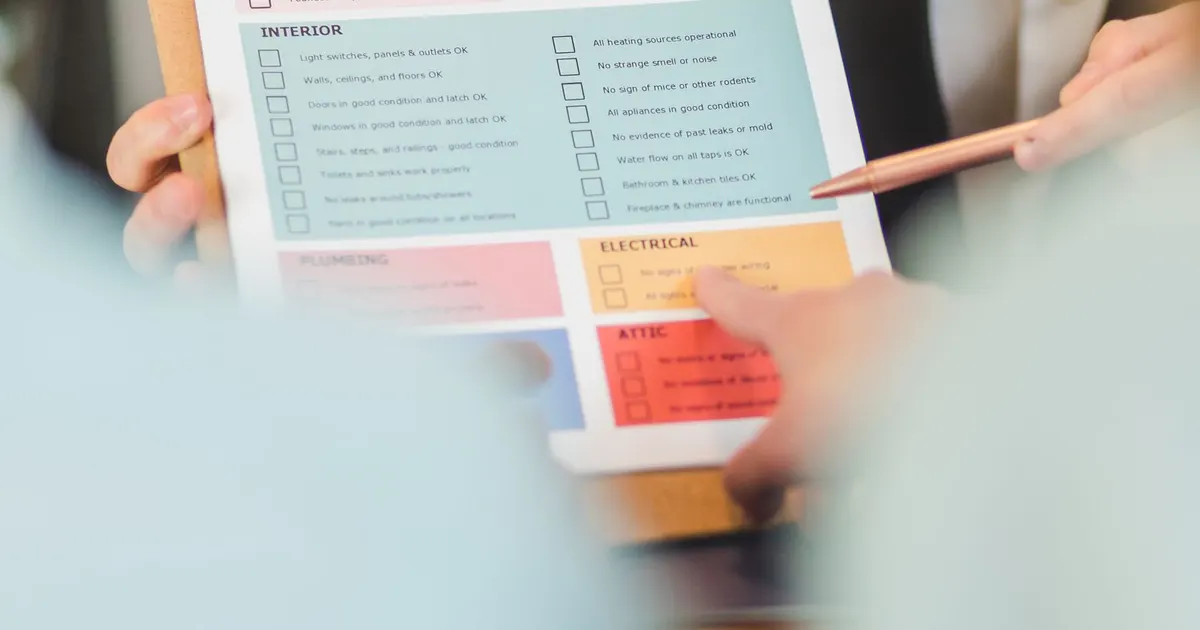
A rental turnover inspection should cover three systems: heating and cooling, plumbing, and electrical. For HVAC, replace the filter, run the heat and the air conditioning, and test the carbon monoxide and smoke alarms. For plumbing, check the water heater’s age and look for leaks, test every toilet, faucet, and drain, and exercise the shutoff valves. For electrical, test every outlet, switch, and GFCI, look over the panel, and clean the dryer vent. Do it while the unit is empty, photograph what you find, and fix small problems before the next tenant moves in. Here is the full checklist, with what to watch for in older Cincinnati rentals.
Why Turnover Is the Best Time to Inspect a Cincinnati Rental
An empty unit is the easiest one to work in. You can run water in every fixture, open every panel, and leave the heat running for an hour without bothering anyone. It is also when small problems are cheapest to fix. A running toilet or a slow drain that a tenant never reported costs a few dollars now, and a lot more as a water bill, a ceiling stain, or a middle-of-the-night call later.
There is a paperwork reason too. Under Ohio Revised Code 5321.16, any deduction from a security deposit has to be itemized in a written notice delivered to the tenant within 30 days after the lease ends and the tenant moves out. Normal wear and tear isn’t deductible. A dated inspection with photos is what separates tenant damage from normal wear, and it has to happen fast to meet that deadline.
HVAC Turnover Checklist
Replace the Filter and Check the Blower Area
Put in a new filter and write the date on its edge. A filter that is packed solid tells you the last tenant never changed it, which is worth a closer look at the blower and coil.
Run the Heat, and the Air Conditioning When It’s Warm Enough
Set the thermostat to heat and confirm warm air at the vents within a few minutes. If it is above about 60°F outside, switch to cool and confirm cold air too. Many manufacturers advise against running central air in colder weather, so in a winter turnover, schedule the cooling check for spring. A system that has sat unused for months is where a failed igniter or a dead capacitor turns up, and it is better to find it now than on the new tenant’s first hot or cold day.
Check the Thermostat, Vents, and Returns
Replace thermostat batteries, confirm it reads the room temperature correctly, and reset any schedule the last tenant programmed. Walk the unit and make sure every register opens and blows air, and that return grilles aren’t blocked or clogged with dust.
Test CO and Smoke Alarms
Test every alarm, check the replace-by date on the back, and replace any that are missing or expired. Tenants sometimes take batteries out or remove alarms that chirp. Our guide to carbon monoxide detectors in Ohio rentals covers where they have to go.
Check the Condensate Drain and Outdoor Unit
On a high-efficiency furnace or central air system, make sure the condensate line drains freely and there is no water around the furnace. Outside, clear leaves and debris from around the AC or heat pump and look for bent fins or damaged refrigerant line insulation.
Plumbing Turnover Checklist for Cincinnati Rentals
Water Heater
Note its age from the rating label. A tank water heater typically lasts 8 to 12 years, so one near that age belongs on your replacement list. Look for rust or moisture at the base, check that the temperature and pressure relief valve has a discharge pipe, and set the temperature to about 120°F, which is hot enough for the next tenant and safer for kids.
Toilets
Flush each one and listen for it to stop filling. Then put a few drops of food coloring in the tank and wait 15 minutes without flushing. Color in the bowl means the flapper is leaking, a silent leak that runs up the water bill. Check that the toilet doesn’t rock and that the floor around the base is dry. See why a toilet leaks for the common causes.
Faucets, Supply Lines, and Shutoff Valves
Run every faucet hot and cold and look under each sink for drips. Turn every shutoff valve under sinks and toilets off and back on. Valves that sit untouched for years seize, and you want to know that before an emergency. Replace old rubber supply lines with braided stainless ones.
Drains and the Main Line
Run water in every sink, tub, and shower for a minute and watch for slow draining or gurgling. Slow drains in several fixtures at once point to the main line, not the individual drain. If the building is older, or there has been a backup before, turnover is a good time for a sewer camera inspection.
Sump Pump and Water Pressure
If there is a sump pump, pour a bucket of water into the pit and make sure the pump starts and empties it. Check water pressure at a hose bib or with a simple gauge; readings that are very high strain every fixture and supply line in the unit.
Electrical Turnover Checklist
Outlets, Switches, and GFCIs
Plug a simple outlet tester into every receptacle and flip every switch. Press the test and reset buttons on every GFCI outlet in the kitchen, bathrooms, laundry, garage, and outside. Replace cracked cover plates, and note any outlet that is warm, discolored, or loose.
The Electrical Panel
Open the panel door and look, without removing the cover. Every breaker should be labeled, and there should be no scorch marks, rust, or a burning smell. A breaker the last tenant reported tripping often needs an electrician to find out why. Anything behind the panel cover is a job for a licensed electrician, not a turnover task. Our post on why you shouldn’t DIY electrical work explains where that line is.
Light Fixtures and Exhaust Fans
Replace burned-out bulbs, check that every fixture works, and run the bathroom and kitchen exhaust fans. A bathroom fan that doesn’t move air is how mold starts in the next lease.
Clean the Dryer Vent
Our view: clean the dryer vent at every turnover, not just when it looks bad. The U.S. Fire Administration estimates about 2,900 residential clothes dryer fires a year, and lists failure to clean as the leading factor, at 34%. Clean the lint trap housing and the duct to the outside, and replace foil or vinyl transition ducts with rigid or semi-rigid metal.
Older Cincinnati Rentals: What to Look For
Much of Cincinnati’s rental housing is old enough to have systems that newer suburbs don’t. A few things to look for at turnover:
Galvanized steel water pipes. They corrode from the inside, which shows up as low water pressure or rust-colored water. They are worth planning to replace, not patching forever.
Old sewer laterals. Clay and cast-iron lines crack and let roots in. In the Metropolitan Sewer District of Greater Cincinnati, the property owner is responsible for keeping the building sewer clear and for repairing broken sections on private property. If you see slow drains or a past backup, see our guide to fixing a broken sewer line.
Two-prong outlets and older wiring. Ungrounded outlets, fuse boxes, and older wiring systems deserve an electrician’s look before you add load, like a new window air conditioner or an appliance on the same circuit.
Radiators and shared boilers. Bleed radiators that are cold at the top, and check for leaks at the valves. A shared boiler should get its service before heating season regardless of turnover dates.
Document Everything for Ohio Deposit Rules
Take dated photos of every room and every item on this list, working or not, and keep them with the move-in photos from the start of the lease. Note what was repaired and what it cost, with receipts. When you send the deposit notice, you want each deduction tied to a photo showing damage beyond normal wear. A burned-out bulb or a dirty filter after a year is normal wear. A cracked toilet tank or a broken outlet cover usually isn’t.
What You Can Do and When to Call a Pro
Most of this list doesn’t need a contractor. Changing filters and batteries, testing alarms, outlets, and GFCIs, running fixtures, the toilet dye test, exercising valves, testing the sump pump, and cleaning the lint trap are all jobs you can do in an afternoon. Call a licensed professional for anything involving gas or combustion, anything behind the electrical panel cover, a sewer camera inspection or main line clog, a leaking water heater, or a heating or cooling system that doesn’t work when you run it.
Rental Turnover Service in Cincinnati
Degree of Comfort handles heating, cooling, plumbing, and electrical work, so one call covers every item on this list that you don’t want to do yourself. We work in rental homes and apartment buildings across Cincinnati and the surrounding Tri-State, including Northern Kentucky and Southeast Indiana. We can run a turnover check on all three systems, fix what we find, and leave you a dated report for your records. See our electrical inspections and plumbing repair pages for details. We are family-owned, licensed and insured, with upfront, flat-rate pricing.
Call (513) 586-5107 or request an estimate.
Frequently Asked Questions
Let Degree of Comfort Handle It
Our licensed technicians serve Cincinnati and surrounding areas. Same-day service available.
Call (513) 586-5107