

Key Takeaways
- Who pays the gas bill decides what pays back. If you pay it, efficiency upgrades put money in your pocket. If the tenant pays it, you get your return through fewer complaints, fewer calls, and longer equipment life.
- Air sealing and attic insulation come first. ENERGY STAR puts the average savings at 15% of heating and cooling costs, and the work usually costs less than any piece of equipment.
- Replace a furnace or boiler when it’s due, not to chase efficiency. A 95% furnace in an old house often means relining the chimney for the water heater left behind.
- The federal 25C credit is gone for 2026 work and never covered rentals. Rental upgrades are usually depreciated instead. Confirm with your accountant.
In an older Cincinnati rental, the heating upgrades that pay back fastest are the cheap ones: air sealing, attic insulation, and sealing the ducts you can reach. A thermostat comes next if you pay the gas bill. A new 95% furnace, a new boiler, or a heat pump makes sense when the existing equipment is near the end of its life, not as a way to cut bills on equipment that still works. The deciding question for every item on this list is who pays for the heat. Below, each upgrade is ranked by payback, followed by the 2026 tax rules and the upgrades to skip.
Start With Who Pays the Gas Bill in Your Cincinnati Rental
In many single-family rentals and duplexes, each unit has its own gas meter and the tenant pays. In older buildings heated by one shared boiler, there is usually one meter and the landlord pays.
If you pay the gas, every percent of efficiency is your money. The ranking below is close to a straight payback list.
If the tenant pays, the savings go to them. You still gain something: a unit that heats evenly gets fewer complaints, holds tenants longer, and is easier to rent in January. But an upgrade that only saves the tenant money does not pay you back on its own, so spend on the items that also cut your service calls.
If one room or floor is always cold, that is a distribution problem, not an equipment problem. Our post on why older Cincinnati homes have uneven heat covers those fixes, so we won’t repeat them here.
1. Air Sealing and Attic Insulation
This is the best payback in almost every pre-1950 house. According to ENERGY STAR, homeowners save an average of 15% on heating and cooling costs, or 11% on total energy costs, by sealing air leaks and adding insulation in attics, floors over crawl spaces, and basements.
Older houses leak at the attic hatch, plumbing and chimney chases, the tops of interior walls, and the basement rim joist. Seal those first, then insulate.
One caution for old Cincinnati houses: if there is any knob-and-tube wiring in the attic or walls, have an electrician look at it before anyone covers it with insulation.
Here is our view: seal and insulate the attic before you spend a dollar on a new furnace. A 15% average cut in heating and cooling cost comes from work that costs a fraction of new equipment, and it makes whatever furnace you install later smaller and cheaper to run.
2. Duct Sealing
ENERGY STAR estimates that 20% to 30% of the air moving through a typical duct system is lost to leaks, holes, and poorly connected ducts. Sealing the joints with mastic or foil tape (not cloth duct tape) is cheap and fast where the ducts are exposed.
The payback depends on where the ducts run. In most older Cincinnati houses they sit in the basement, so some of the leaked heat stays in the building. The biggest win is ductwork in an unheated attic, crawl space, or a cold basement where nobody lives. Sealing those pays back no matter who pays the bill, because the rooms at the end of the run finally get heat.
3. A Programmable or Smart Thermostat
The U.S. Department of Energy says you can save as much as 10% a year on heating and cooling by turning the thermostat back 7 to 10 degrees for 8 hours a day. In a rental, the question is who controls it.
If the tenant pays, the thermostat is theirs. A programmable model is a reasonable amenity, but it does not save you anything.
If you pay, a thermostat you can manage remotely, with a locked range, is one of the fastest paybacks on this list. Set the floor carefully. In Cincinnati units where tenants don’t control their own heat, once the outdoor temperature stays below 60 degrees for 24 straight hours, the inside must be 70 degrees or warmer. A setback that drops a unit below 70 can cost $300 in fines for the first day and $750 for each day after. Set back common areas and vacant units, not occupied living space.
4. Replacing an Old Furnace With a 95% Unit
A new furnace is the right move when the old one is 15 to 20 years old, needs an expensive repair, or has a cracked heat exchanger. It is rarely worth replacing a working 80% furnace for efficiency alone. Going from 80% to 95% efficiency cuts the gas used for heat by about 16%, which takes a long time to recover on a $3,000 to $10,000 job, and longer still if the tenant pays the bill. Our guide to budgeting for furnace replacement across multiple rentals covers how to plan the timing.
When you do replace, a 95% unit is the sensible choice. Under the current DOE rule, most gas furnaces made after December 18, 2028 will have to meet 95% AFUE. A federal court upheld the rule in 2025, and a delay is under review at the DOE, so check its status before you buy. Either way, 95% is where the market is heading. The City of Cincinnati requires a mechanical permit for the replacement.
The Orphaned Water Heater Problem
This is the cost that surprises landlords in older houses. A 95% furnace vents through plastic pipe out the side wall. The old furnace vented up the masonry chimney, usually alongside a gas water heater. Take the furnace off the chimney, and the water heater is left alone in a flue sized for two appliances.
A small water heater can’t keep a large, cold chimney warm. The flue gases cool, moisture condenses inside, and the chimney drafts poorly. Over time the acidic condensate breaks down the mortar, and in the worst case exhaust spills back into the basement. The usual fix is a properly sized metal liner run down the chimney for the water heater, or replacing the water heater with a power-vented or direct-vent model. Budget for one or the other in the same job, and put a working carbon monoxide alarm near the basement.
5. Boiler Options for Older Cincinnati Rentals
A lot of pre-1950 Cincinnati housing, especially in Clifton, Northside, and Walnut Hills, still heats with steam or hot water radiators. The upgrade choice depends on which you have.
Hot water boilers can be replaced with a condensing boiler, which can run above 90% efficiency because it recovers heat from the exhaust. It works best at low water temperatures, so insulating first helps.
Steam boilers don’t condense. The federal minimum for a new gas steam boiler is 82% AFUE. When a steam boiler fails, replacing it with a correctly sized steam boiler is usually the most practical choice. Converting a steam building to hot water means new piping and often new radiators, and in a rental it rarely pays back. Our boiler service covers both kinds. If you own and live in a historic house rather than rent one out, see converting an old heating system in a historic Cincinnati home.
If you are weighing a boiler against ductwork and a furnace, our comparison of boilers and furnaces for Cincinnati homes lays out the trade-offs.
6. Ductless Mini-Splits for Third Floors and Additions
Finished attics, third-floor units, and rear additions are where old houses fail tenants. A ductless mini-split heats and cools that space on its own, with no ductwork, and fixes the room tenants complain about most. See our mini-split installation service for how it goes in.
Mini-splits run on electricity. Check which meter the outdoor unit will be wired to, and tell the tenant in writing that part of their heat now shows up on the electric bill rather than the gas bill.
7. Whole-House Heat Pumps
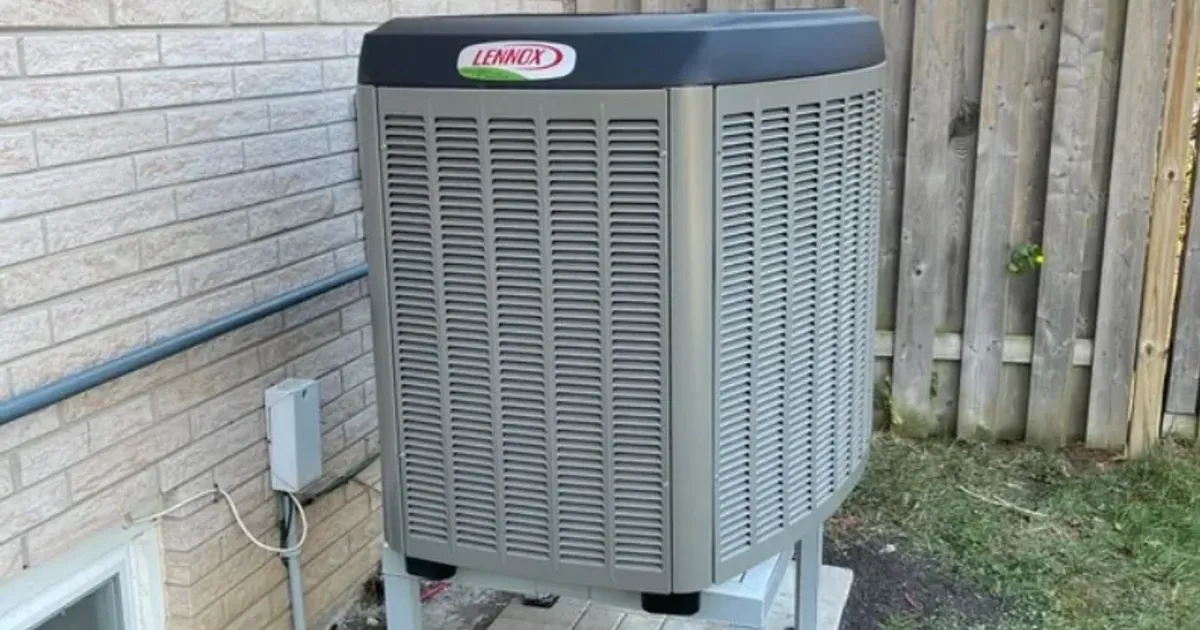
A heat pump makes the most sense when the air conditioner and furnace are both due at the same time, and the house already has ducts. A heat pump paired with a gas furnace as backup (a dual-fuel system) covers the coldest Cincinnati nights. Our post on whether heat pumps work in Cincinnati winters covers performance in cold weather, and our heat pump service covers installation.
In a leaky, uninsulated house, a heat pump has to be sized for all that heat loss, so it costs more and works harder. Seal and insulate first. And if the tenant pays electric but not gas, switching to a heat pump moves the heating cost from one bill to the other. Say so in the lease.
Tax Credits and Duke Energy Rebates in 2026
We are heating contractors, not accountants, so confirm all of this with your tax preparer.
The federal 25C credit has ended. According to the IRS, the Energy Efficient Home Improvement Credit is not allowed for property placed in service after December 31, 2025. Even before that, it applied only to improvements to your own main home. The IRS states that a landlord or other owner who doesn’t live in the home can’t claim it.
Rentals use depreciation instead. IRS Publication 527 lists a heating system or furnace as an improvement that must be capitalized rather than deducted as a repair, and residential rental buildings and their structural components are generally depreciated over 27.5 years.
Duke Energy Ohio rebates change. Duke has offered rebates on items such as insulation, smart thermostats, and heat pumps, but the list, the amounts, and the rules on who can apply change from year to year. Check Duke Energy’s current home rebate list before you sign a contract, and ask whether the work has to be done by a participating contractor.
Upgrades That Usually Aren’t Worth It in a Cincinnati Rental
Replacing a working 80% furnace for efficiency alone, especially when the tenant pays gas. Wait until it is due.
Converting steam heat to hot water. New piping through plaster walls costs far more than it saves.
Replacing original windows to save on heating. Sealing, weatherstripping, and storm windows cost much less. Replace windows if they are rotted or won’t open, not for the gas bill.
Oversizing new equipment “to be safe.” An oversized furnace short cycles and wears out sooner. Size it to the house after insulation, not before.
A smart thermostat the tenant controls on a bill the tenant pays. It is a nice amenity, not an investment.
When You Don’t Need a Contractor
A lot of the best-paying work on this list isn’t heating work. Caulking, weatherstripping doors, sealing the attic hatch, and adding storm windows are jobs a handy landlord or general maintenance person can do. Attic insulation is usually a job for an insulation contractor, not us. A basic programmable thermostat on a simple gas furnace is often a straightforward swap. And tax questions belong with your accountant.
Call a licensed heating contractor for anything that touches gas, combustion, venting, refrigerant, or the chimney, and for sizing any new equipment.
Plan Heating Upgrades for Your Older Rental in Cincinnati
Degree of Comfort works on furnaces, boilers, heat pumps, and mini-splits in older rental homes and multi-unit buildings across Cincinnati and the surrounding Tri-State, including Northern Kentucky and Southeast Indiana. We can look at the equipment in each unit, check the chimney and venting before a furnace swap, and tell you which upgrades are due now and which can wait. We are family-owned, licensed and insured, with upfront, flat-rate pricing.
Call (513) 586-5107 or request an estimate for your properties.
Frequently Asked Questions
Let Degree of Comfort Handle It
Our licensed technicians serve Cincinnati and surrounding areas. Same-day service available.
Call (513) 586-5107