

Key Takeaways
- Who pays for heat matters more than the equipment. If tenants don’t control their own heat, Cincinnati requires 70 degrees inside once it stays below 60 outside for 24 hours, with fines of $300 the first day and $750 each day after.
- A furnace, boiler, or heat pump in each unit puts heat on the tenant’s meter and the tenant’s thermostat, at the cost of more equipment to maintain.
- One central boiler is the simplest system to own in an older brick building, but you pay the gas bill and carry the no-heat risk for every unit at once.
- Mini-splits are often the cleanest retrofit for buildings with radiators and no ducts. Electric baseboard and PTACs are cheap to put in and expensive to run.
Most Cincinnati duplexes and small apartment buildings (2 to 12 units) end up with one of seven heating setups: a gas furnace in each unit, one central boiler for the building, a boiler in each unit, ductless mini-splits, ducted heat pumps, PTAC through-wall units, or electric baseboard. The right one depends less on efficiency ratings than on who pays for heat. If each unit has its own meter and thermostat, the tenant pays and controls the heat. If one boiler heats everyone, you pay, and the city holds you to 70 degrees. Here is how each option fits the two-family homes and brick walk-ups common across Cincinnati, how they compare on cost to own, and a short guide to choosing.
Who Pays for Heat Shapes Every Cincinnati Heating Decision
We are heating contractors, not lawyers, so confirm the details with your attorney. Ohio Revised Code 5321.04 requires landlords to supply reasonable heat and keep the heating equipment they supply in good and safe working order. It makes an exception where the unit is built so heat comes from equipment within the tenant’s exclusive control and supplied by a direct utility connection. In plain terms: separate equipment on a separate meter moves the heating bill, and much of the day-to-day control, to the tenant.
Cincinnati adds a rule for units where tenants don’t control their own heat, which usually means a shared boiler or central system. Once the outdoor temperature stays below 60 degrees for 24 consecutive hours, inside must be 70 degrees or warmer. The fines are $300 for the first day and $750 for each day after, and ignoring a Board of Health order can mean up to 180 days in jail. Tenants report through 311 or the Health Department’s Healthy Homes line. Our landlord guide for when a tenant has no heat covers what to do when that call comes.
Splitting heat onto tenant bills needs a gas or electric meter for each unit. Some older two-family homes already have one per floor. Others have a single meter feeding everything. Adding meters means working with the utility and running new gas piping or circuits, so check what the building has before you pick equipment. If a central boiler has a thermostat in each unit, ask the Health Department whether that counts as individual control before you rely on it.
Option 1: A Gas Furnace in Each Unit
A furnace per unit is the standard in duplexes built with ductwork, and in buildings that were gut-rehabbed. Each tenant has a thermostat and a gas meter, the furnace ducts can carry central air too, and a breakdown leaves one unit cold, not the whole building.
The problem in older Cincinnati buildings is ducts. Two-family homes and brick walk-ups built for radiators usually have none, and running them to an upper floor means boxing in chases and soffits through plaster walls. Each furnace also needs its own space (a basement corner or a closet), a flue or sidewall vent, and a drain for condensate if it is high-efficiency.
Cost to own: a furnace replacement in Cincinnati typically runs $3,000 to $10,000 installed, and you are buying one per unit, each with a city mechanical permit. Most furnaces last 15 to 20 years. Plan on one tune-up per unit each fall.
Option 2: One Central Boiler for the Whole Building
This is what many older Cincinnati two-families and small brick apartment buildings already have: one boiler in the basement feeding radiators in every unit. It runs on hot water or steam. Steam heat is common in older homes in Clifton, Northside, and Walnut Hills.
The case for it is simplicity. One appliance, one gas meter, one tune-up a year, and the even, quiet heat radiators are known for. The case against it is everything that sits with you: the full gas bill, the shared-heat rule above, and the fact that one failure leaves every unit cold at once.
Maintenance is steady but not hard. A hot water boiler should read about 12 to 15 psi cold, and its relief valve opens at 30 psi. A home steam boiler runs at about 2 psi or less, with the sight glass about half full. Our boiler service covers repair, replacement, and yearly maintenance for both.
Choosing between a furnace in every unit and one central boiler is the biggest decision on this list, and we cover it in depth in our post on individual furnaces vs. a central boiler. For the general comparison in a single home, see boiler vs. furnace for Cincinnati homes.
Option 3: A Boiler in Each Unit
A small wall-hung boiler in each unit keeps the radiators and moves heat onto the tenant’s gas meter. Some models (combi boilers) also make the unit’s hot water, which can free up space taken by a tank.
The catch is the piping. Each unit’s radiators have to sit on their own loop. In some hot water systems that is a manageable re-pipe. In steam systems, where the mains and risers usually run through every floor, splitting the building is rarely practical, and the job becomes a conversion to hot water. Each boiler also needs its own gas line and vent. Up front it costs more than replacing one central boiler, and you have more appliances to maintain, but you are out from under the shared-heat rule.
Options 4 and 5: Heat Pumps, Ductless or Ducted
Ductless Mini-Splits
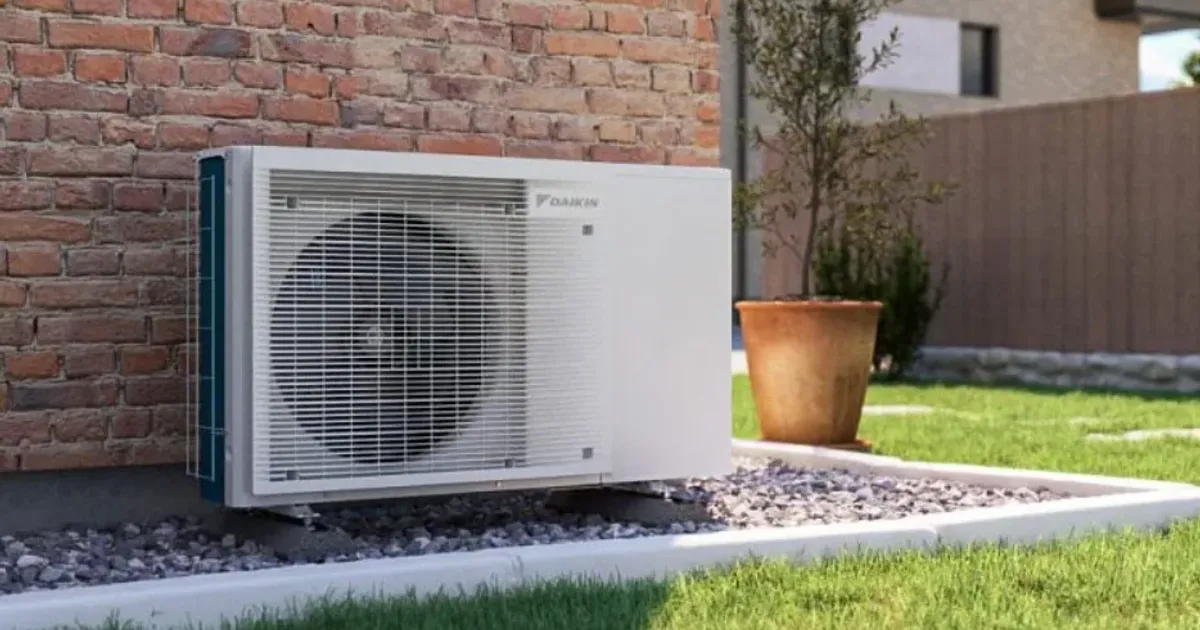
A mini-split is an outdoor unit connected to one or more wall or ceiling heads by a small line set. ENERGY STAR describes them as designed for homes without ductwork and as an alternative to radiator or baseboard heating. That makes them a strong fit for Cincinnati walk-ups with radiators and window air conditioners: each tenant gets heat, cooling, and a thermostat, on their own electric meter.
Space is the main limit. Every unit needs an outdoor condenser somewhere, on a wall bracket, a rear yard, or a flat roof, and narrow city lots fill up fast. Tenants need to rinse the filters in each head, and the coils need a yearly cleaning. If you’re wondering how they handle January, read whether heat pumps work in Cincinnati winters. Our mini-split service covers sizing and installation.
Ducted Heat Pumps in Each Unit
A ducted heat pump works like a furnace per unit, with an indoor air handler and an outdoor unit, but it runs on electricity and cools in summer. It makes sense where ducts already exist or the walls are open for a rehab. Without ducts, it has the same problem as a furnace, and a mini-split is usually the easier path.
Options 6 and 7: PTAC Units and Electric Baseboard
PTAC Through-Wall Units
A PTAC (packaged terminal air conditioner) is the box under the window you see in hotel rooms. It sits in a sleeve through the exterior wall and heats and cools one room. Many heat with electric resistance, while heat pump versions cost less to run. They suit studios and small one-room units. In a brick building, each one means cutting a large opening through masonry and running a dedicated circuit, and they are louder than a mini-split. If the building sits in a historic district, check with the city before cutting into the front wall.
Electric Baseboard
Baseboard heat is the cheapest option to put in. There are no ducts, no vents, and no combustion, each room can have its own thermostat, and the bill lands on the tenant’s electric meter. It is also the most expensive option to run. Older buildings may need an electrical service upgrade to carry it.
Here is our view: electric baseboard is the wrong choice for a Cincinnati rental you plan to keep. ENERGY STAR says certified mini-splits use up to 60% less energy than standard electric radiators. That difference shows up on your tenant’s bill every winter, and tenants with high bills move out.
Choosing a Heating System for a Cincinnati Duplex or Small Building
Start with who will pay for heat, then look at what the building already has.
You include heat in the rent and the boiler works: keep the central boiler, service it every fall, and have a plan for a no-heat day. Replacing it with per-unit systems costs far more than maintaining it.
You want tenants to pay, and the building has radiators but no ducts: mini-splits in each unit, or a boiler in each unit if the hot water piping can be split. Steam usually points to mini-splits.
The walls are open for a gut rehab: a ducted furnace or heat pump per unit, which gives each unit central air at the same time.
Studios or single-room units: a heat pump PTAC or a single mini-split head per unit.
A small addition or a building you plan to sell soon: baseboard is defensible here, and only here.
Whatever you choose, keep a record of each unit’s equipment age. Most heating equipment in a small building gets replaced one piece at a time, and knowing what is due next keeps the decision from being made on a cold night.
When You Don’t Need a Contractor
If your current system heats every unit, is under 15 years old, and you are happy including heat in the rent, there is nothing to switch. Changing systems costs real money, and most of the payoff is about who pays the bill, not comfort. Keep up the yearly service and leave it alone.
And if your real question is whether you can legally start charging tenants for heat, that is a lease question for your attorney, not a heating question. Get that answer first. Then call us if the plan involves new equipment.
Heating for Duplexes and Small Apartment Buildings in Cincinnati
Degree of Comfort installs, repairs, and maintains furnaces, boilers, heat pumps, and mini-splits in two-family homes and small apartment buildings across Cincinnati and the surrounding Tri-State, including Northern Kentucky and Southeast Indiana. We can look at what your building has, tell you which options fit, and price them side by side. We are family-owned, licensed and insured, with upfront, flat-rate pricing.
Call (513) 586-5107 or request an estimate for your building.
Frequently Asked Questions
Let Degree of Comfort Handle It
Our licensed technicians serve Cincinnati and surrounding areas. Same-day service available.
Call (513) 586-5107