

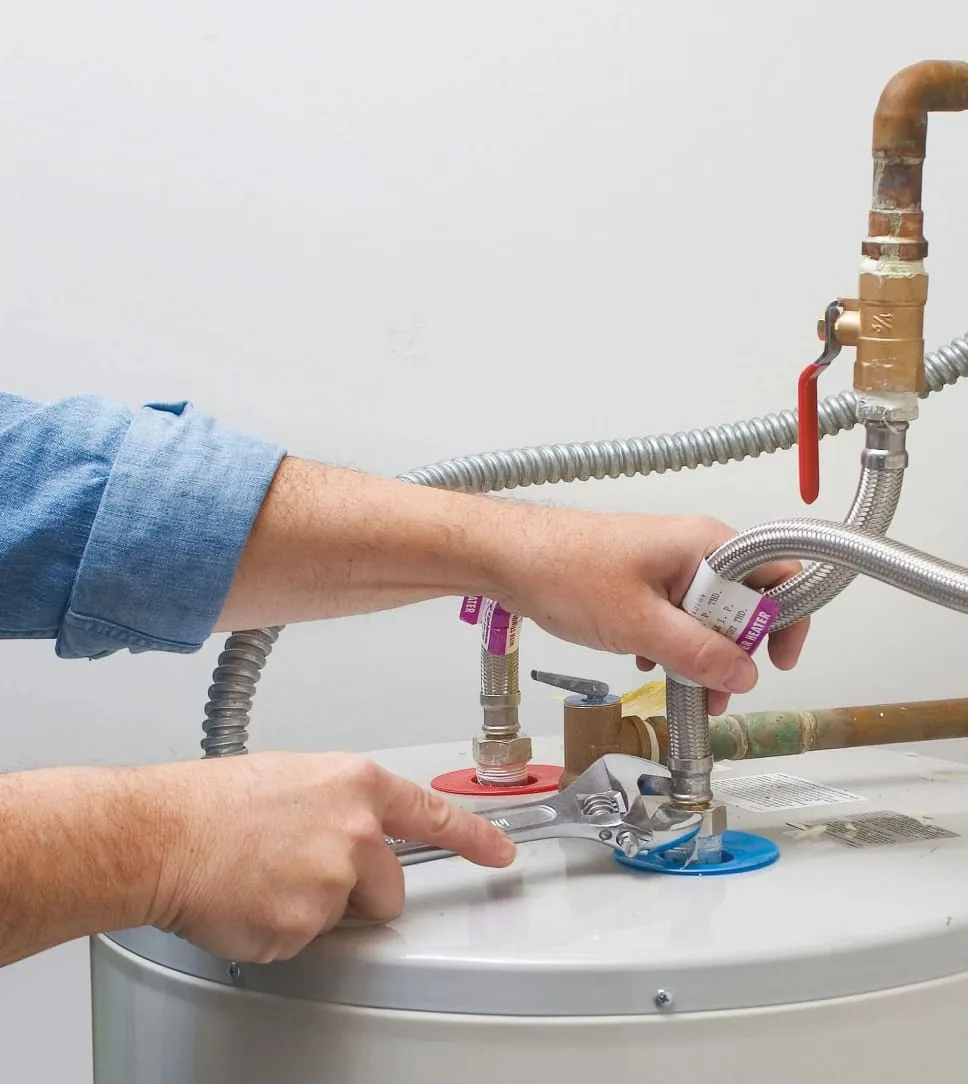
Key Takeaways
- Winter is the hardest season on a water heater — colder incoming water and higher demand make it work harder right when you need it most.
- Flushing sediment and insulating the tank and pipes are the two highest-value things you can do before the cold sets in.
- Test the pressure relief valve and set the temperature to 120°F for safety and steady energy savings.
- A professional tune-up ties it together — book water heater maintenance before winter rather than after a breakdown.
A little prep now is the difference between reliable hot water all winter and a cold shower on the morning of the first hard freeze. Cold weather puts more strain on a water heater than any other season, and a few simple steps before it arrives keep the system efficient and dependable when demand peaks.
Here is why winter is so tough on water heaters and five practical things to do to get yours ready. (If you want the bigger picture on year-round care, our guide to water heater maintenance in winter covers why upkeep matters in the first place.)
Why Winter Is Tough on Water Heaters
Two things change when the temperature drops. The water coming into your tank is much colder, so the heater has to work harder and longer to bring it up to temperature. At the same time, everyone uses more hot water — longer showers, more dishes, more laundry. That combination means the system runs more than it does any other time of year, which exposes any weak spot and drives up energy use. A heater that was coasting through summer is the one that struggles in January.
5 Tips for Prepping Your Water Heater for Winter
None of these takes long, and together they make a real difference in how your water heater handles the cold. A few you can do yourself; one is best left to a pro.
1. Inspect and Flush the Tank
Over time, minerals settle to the bottom of the tank as sediment. That layer sits between the burner or element and the water, forcing the heater to work harder and run longer. Draining and flushing the tank clears it out and restores efficiency right when you need it. While you are at it, look the unit over for any rust, corrosion, or moisture around the base that points to a developing leak or repair.
2. Insulate the Tank and Pipes
Heat lost from the tank and the first few feet of pipe is heat you paid for. Wrapping exposed hot-water pipes with foam sleeves and fitting an older tank with an insulation blanket reduces that loss, so the water stays hot longer and the heater cycles less. Insulating pipes in unheated spaces like a basement, crawlspace, or garage also lowers the risk of a freeze.
3. Test the Pressure Relief Valve
The temperature and pressure relief (T&P) valve is a critical safety device that lets off excess pressure. To test it, place a bucket under the discharge pipe and gently lift the lever — you should hear a rush of water or air, and it should stop when you release it. If nothing happens, or it keeps dripping afterward, the valve needs to be replaced by a professional before winter loads the system up.
4. Set the Temperature to 120°F
Many water heaters ship set to 140°F, which is hotter than most homes need and a scald risk. Turning it down to 120°F is the temperature recommended for most households — it still delivers plenty of hot water, lowers your energy use, and slows mineral buildup. If your hot water is running out too fast even at a good temperature, the tank may be undersized or failing, which is worth a conversation about replacement or a tankless upgrade.
5. Schedule a Professional Maintenance Check
The most thorough step is a professional tune-up. A technician flushes the tank, tests the valve, checks the anode rod, burner or heating element, connections, and venting, and catches small problems before they leave you without hot water on the coldest day. Booking water heater maintenance in fall is far cheaper than an emergency call in February.
Common Winter Water Heater Problems
Even with prep, winter is when problems surface. Knowing the signs helps you act before a small issue becomes a cold-shower emergency.
Frozen or Burst Pipes
Water lines in unheated spaces can freeze, which blocks flow and can burst the pipe and cause serious water damage. Insulation helps, and on the coldest nights a slow trickle from a faucet keeps water moving. If you lose flow entirely, shut off the water and call for pipe repair right away.
Lukewarm or Inconsistent Hot Water
If the water never gets as hot as it used to or runs out quickly, sediment buildup, a failing heating element, or a tank that is overmatched by winter demand is usually the cause. A flush or a professional look sorts out which.
Rising Energy Bills
A water heater fighting sediment and heat loss burns more energy to do the same job, and it shows up on the bill. If your costs climb without an obvious reason, the water heater is a likely suspect.
The Payoff of Prepping Ahead
Spending an afternoon on this — or an hour with a technician — buys you a lot. You get fewer breakdowns during the season when a failure is most disruptive, lower energy bills from a system running the way it should, and the simple reliability of hot water being there every morning. It also protects the lifespan of the unit, pushing a replacement further down the road. Prevention is almost always cheaper than the emergency it avoids.
Get Winter-Ready With Degree of Comfort
If you would rather have a pro handle it, Degree of Comfort can get your water heater ready before the cold hits, and fix or replace it if it is already struggling. We serve homeowners across Cincinnati and the surrounding Tri-State, including Northern Kentucky and Southeast Indiana, and we are family-owned, licensed and insured, with upfront, flat-rate pricing and a satisfaction guarantee.
Want it checked before winter sets in? Call (513) 586-5107, ask about water heater maintenance, or request an estimate and let our plumbing team handle it.
Frequently Asked Questions
Let Degree of Comfort Handle It
Our licensed technicians serve Cincinnati and surrounding areas. Same-day service available.
Call (513) 586-5107