

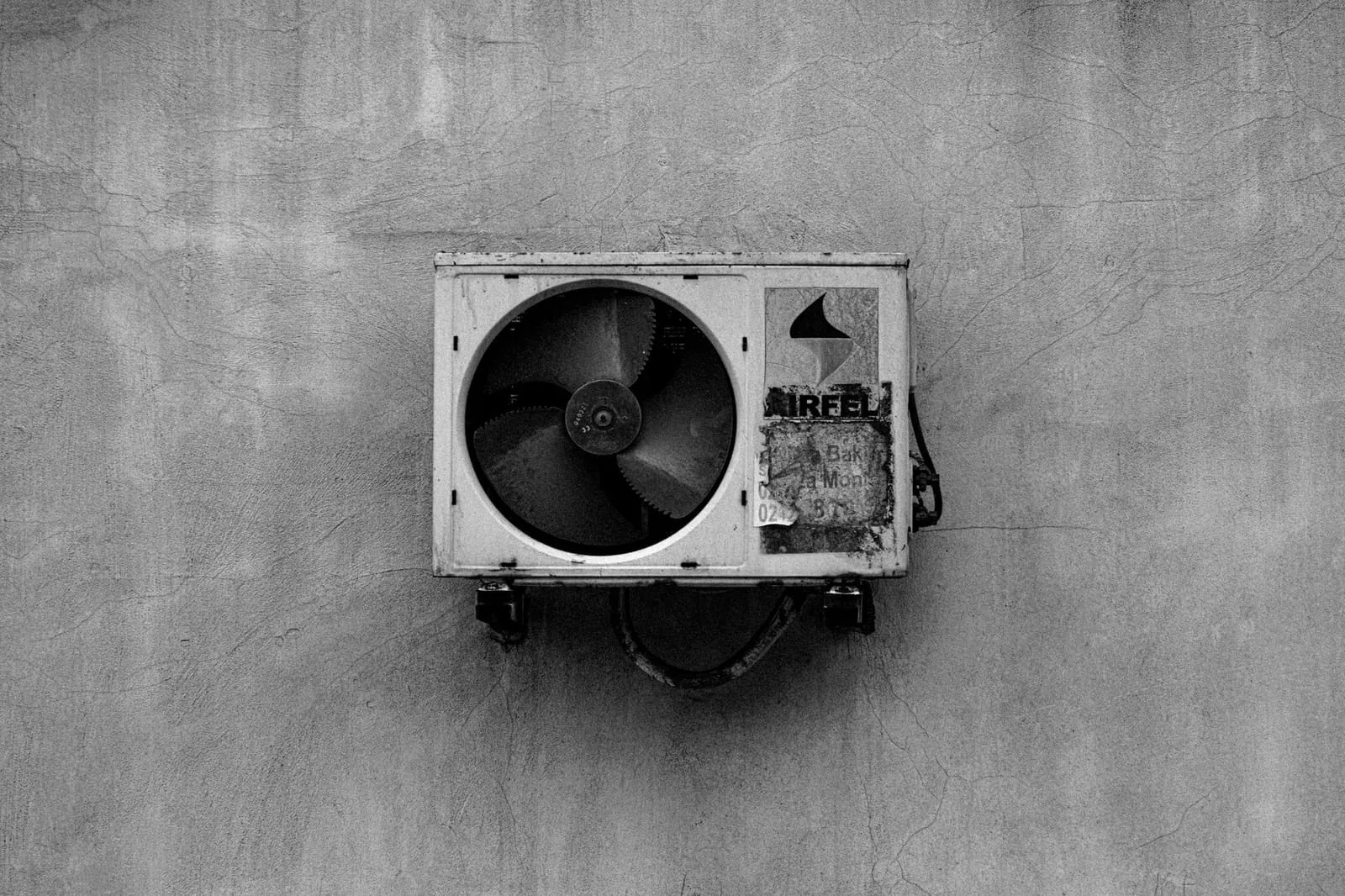
Key Takeaways
- The core difference is direction: an air conditioner only moves heat out of your home, while a heat pump reverses to bring heat in during winter too.
- For cooling, they perform about the same — a heat pump’s only edge is slightly better humidity removal.
- A heat pump can cut heating costs by up to 50% in mild weather because it moves heat instead of burning fuel to make it.
- You do not need all three systems. Most homes run either a heat pump alone, a heat pump plus furnace, or an air conditioner plus furnace.
Here is the short answer: a heat pump and an air conditioner cool your home almost identically, but a heat pump can also heat it, while an air conditioner cannot. If you want one outdoor unit that handles both seasons, a heat pump is the pick. If you already have a furnace you love and just need cooling, a straight air conditioner may be all you need. The details below make the choice clearer.
What Is a Heat Pump?
A heat pump works a lot like an air conditioner. It uses refrigerant and a series of internal components to pull heat out of your indoor air, push that heat outside, and blow the cooled air back through your ductwork. In the summer, you would be hard pressed to tell it apart from a central AC.
The difference shows up in winter. A heat pump can run in reverse — pulling heat out of the outdoor air, even when it feels cold out there, and moving it inside to warm your home. That two-way operation is the whole point. If you want to understand the heating side better, our guide on whether a heat pump can heat a whole house walks through it.
How Does an Air Conditioner Differ From a Heat Pump?
An air conditioner is a one-way machine. It moves heat out of your home and that is it. When temperatures drop, an AC sits idle and your furnace takes over. A heat pump is a two-way machine — the same equipment cools in summer and heats in the shoulder seasons and mild winters.
That is really the only mechanical difference that matters. Same refrigerant cycle, same outdoor condenser, same indoor air handler. The heat pump just adds a reversing valve that lets it flip direction. Everything else you have heard about the two systems flows from that one feature.
Which Is Better for Cooling?
For cooling alone, they are a wash. A properly sized heat pump and a properly sized air conditioner will keep your home just as comfortable on a July afternoon. Same efficiency ratings, same cooling capacity, same feel.
The one small edge goes to the heat pump on humidity. Heat pumps tend to pull a little more moisture out of the air, which matters in a sticky Ohio Valley summer. It is a marginal difference, not a dealbreaker, and a right-sized AC handles humidity fine too. Honestly, if cooling is your only concern, do not let this tip the scale — pick based on your heating plan and budget instead.
Will a Heat Pump Increase My Energy Efficiency?
In mild weather, yes — often dramatically. Because a heat pump moves existing heat rather than burning fuel to create it, it can cut heating costs by up to 50% compared to some conventional systems. Moving heat is simply cheaper than making it.
Efficiency gets measured a few ways. SEER (Seasonal Energy Efficiency Ratio) and EER (Energy Efficiency Ratio) tell you how well a system cools, and heat pumps and ACs are rated on the same scale. The catch is the cold. A standard heat pump loses efficiency as the outdoor temperature falls, and once you drop below roughly 40 degrees, it starts working harder for less. Around here, that is why a heat pump often pairs with a furnace that picks up the deep-winter load.
If you are weighing the investment, a heat pump can also pay off at resale — we cover that in our post on whether a heat pump increases home value. And if budget is the question, our breakdown of how much a new air conditioner costs gives you a realistic range to compare against.
Do I Need a Heat Pump, an Air Conditioner and a Furnace?
No. You do not need all three, and installing all three would be a waste of money. There are three sensible setups, and one of them is right for your home.
Heat Pump Alone
In a mild climate, a heat pump can handle both heating and cooling on its own. One outdoor unit, both seasons covered. This works best where winters rarely dip hard and stay there.
Heat Pump Plus Furnace
This is the workhorse setup for the Tri-State, sometimes called a dual-fuel or hybrid system. The heat pump handles cooling and mild-weather heating, and the furnace kicks in when it gets genuinely cold. You get efficient heating most of the year and reliable warmth in a January cold snap.
Air Conditioner Plus Furnace
The traditional combo. The AC cools, the furnace heats, and there is no overlap. If you have a newer furnace you are happy with and just need cooling, adding a straight air conditioner is often the simplest, most affordable move.
Get the Right System From Degree of Comfort
The best way to choose is to have a technician look at your home, your existing equipment, and your energy bills. Degree of Comfort installs and services both heat pumps and air conditioning systems across Cincinnati and the surrounding Tri-State, including Northern Kentucky and Southeast Indiana. We are family-owned, licensed and insured, with upfront, flat-rate pricing and a satisfaction guarantee.
Not sure which setup fits your home? Call (513) 586-5107 or request an estimate and we will help you pick the system that makes sense for your comfort and your budget.
Frequently Asked Questions
Let Degree of Comfort Handle It
Our licensed technicians serve Cincinnati and surrounding areas. Same-day service available.
Call (513) 586-5107