

Key Takeaways
- Your AC moves heat, it does not create cold — refrigerant pulls heat from your indoor air and dumps it outside.
- The work is split between two units: an outdoor unit with the compressor and condenser, and an indoor unit with the evaporator coil.
- The thermostat is the on switch — it reads the room temperature and tells the system when to run and when to stop.
- Most systems last 12 to 17 years with regular maintenance, and knowing the basics helps you catch small problems early.
Here is the short version: an air conditioner works by removing heat from inside your home and releasing it outdoors. It does not manufacture cold air out of nothing. It uses a refrigerant to absorb heat indoors, moves that heat outside, lets it go, and then sends the refrigerant back in to repeat the cycle. That loop runs until the air in your home matches the number on your thermostat.
The Basic Premise: Heat Goes Out
Air conditioners run on one core idea — they pull heat out of the air in your home and transfer it outside using refrigerant. That refrigerant gets passed between a compressor and a condenser by way of the evaporator coil. The compressor applies high pressure to the sealed system, which forces the heat back out of the refrigerant once it has been carried outdoors.
When the refrigerant finishes its cycle — meaning it has absorbed heat indoors and released it outdoors — it returns inside to start over. This keeps going until the indoor temperature reaches the setting on your thermostat. Cool air is really just what is left after the heat has been taken away.
How It Is Set Up In Your Home
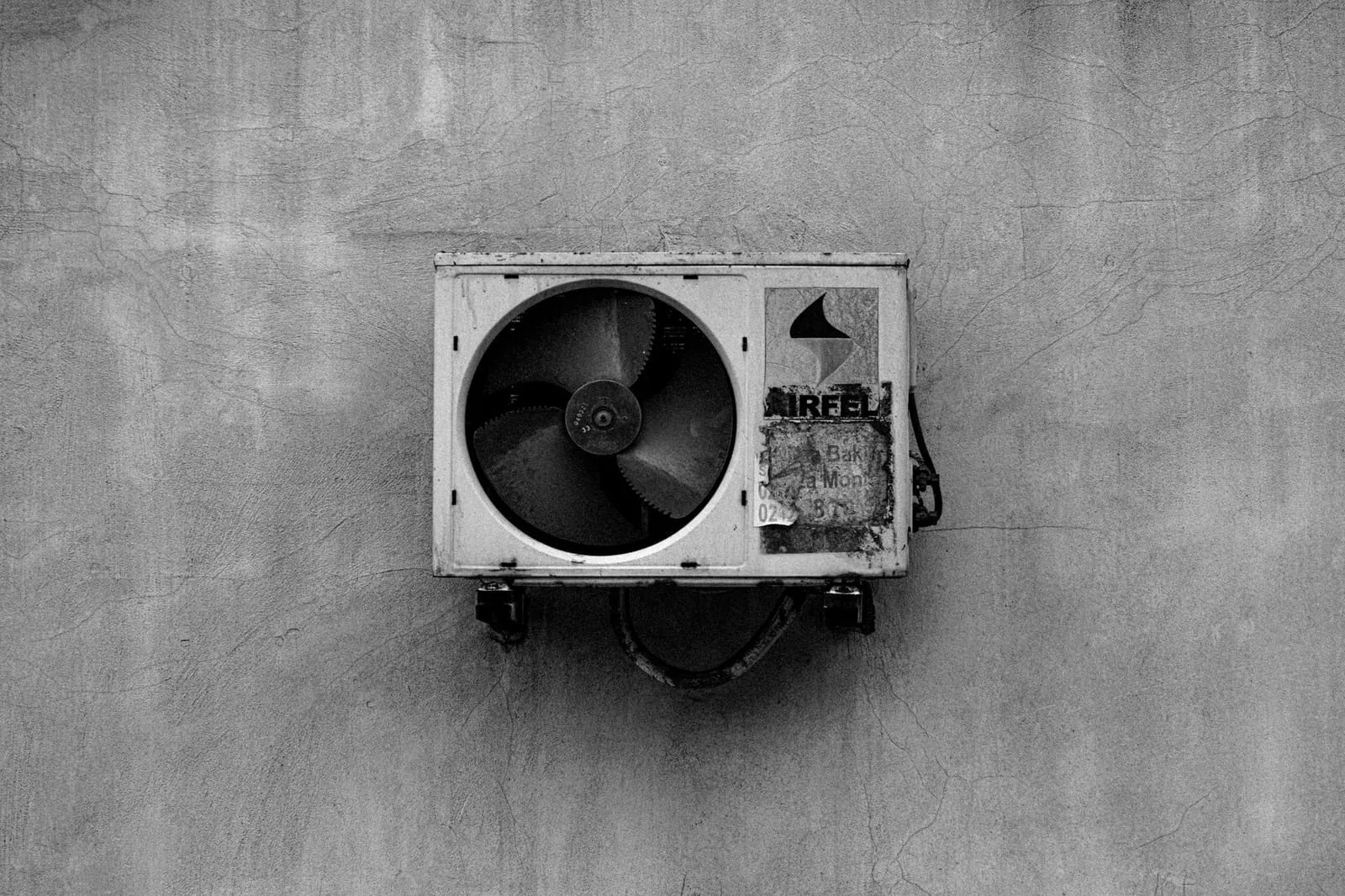
In a traditional central system, the work is divided between two units. The outdoor unit houses the compressor and sheds the warm air with the help of the metal fins wrapped around it. The indoor unit houses the evaporator coil, which pulls heat out of the air circulating through your ductwork and filters that air of dust along the way, so the house feels cooler and cleaner in summer.
Central vs. Split Systems
Newer technology means ductwork is not always required. If you want certain rooms cooler than others, a ductless split system can make more sense than central AC. The main difference is that a split system is more targeted — it pulls hot air directly out of specific areas rather than routing everything through ducts and one centralized unit. Neither one is automatically better; the right choice depends on your home and how you use it.
How Does It Know When to Start?
Every air conditioner has a thermostat, usually mounted in a central spot in the home or in the room it serves. The thermostat takes a reading of the air temperature and tells the system to turn on once the room gets warm enough to need it. When the air cools back to the set point, it signals the system to shut off. That is why the setting you choose matters — if you are unsure where to land, we walk through it in our guide on what temperature to set your AC to in summer.
The Main Parts, and What They Do
Five components do most of the work. The compressor pressurizes the refrigerant and drives the whole cycle. The condenser coil in the outdoor unit releases heat to the outside air. The evaporator coil indoors absorbs heat from your home. The refrigerant is the fluid that carries heat between them, and the blower fan pushes conditioned air through your ducts. When any one of these is off, the whole system suffers.
That is also why warm air is such a common complaint — low refrigerant, a dirty filter, a thermostat problem, or a struggling compressor can all cause it. If your unit is running but the air is not cold, our post on why your AC is blowing warm air walks through the usual suspects before you call anyone.
Why Understanding This Helps
Knowing how the cycle works makes you better at spotting trouble early. Warm air, weak airflow, or a new rattle usually means one part of that heat-moving loop is off. Catching it early tends to be the difference between a small repair and a big one. Regular maintenance helps too — clean coils and filters reduce strain on the system and keep it moving heat efficiently, which is a good chunk of why some units last 17 years and others quit at 12. We make the honest case for it in whether AC tune-ups are worth it. And to be straight with you: if your filter is just dirty, swapping it yourself is a five-minute job that does not need a technician.
Get Help From Degree of Comfort
Degree of Comfort installs, services, and repairs air conditioning systems across Cincinnati and the surrounding Tri-State, including Northern Kentucky and Southeast Indiana. We are family-owned, licensed and insured, with upfront, flat-rate pricing and a satisfaction guarantee.
Whether the air stopped feeling cold or you are weighing a replacement, call (513) 586-5107 or request an estimate and let our team take a look.
Frequently Asked Questions
Let Degree of Comfort Handle It
Our licensed technicians serve Cincinnati and surrounding areas. Same-day service available.
Call (513) 586-5107