

Key Takeaways
- Yes — a properly sized heat pump can heat a whole house, and cool it too, all from one system.
- It depends on a few things — home size, insulation, your climate, and a correct, professional installation.
- Heat pumps are highly efficient because they move heat instead of burning fuel to make it, which usually means lower bills.
- Modern units handle cold winters, and a backup heat source covers the rare deep-freeze — worth planning with a licensed heat pump installer.
Yes — a properly sized and installed heat pump can heat an entire home, and it can cool it in summer from the same equipment. The question worth asking is not whether it can, but whether it is the right fit for your home, your climate, and your budget.
When most people picture comfort, they think about one or two rooms — a warm bedroom on a cold night, a cool living room in July. A whole-home heat pump is about every room, every season, from a single system. Here is how heat pumps work, what whole-home heating actually depends on, how they hold up through a Cincinnati winter, and how to tell if one makes sense for you.
What Is a Heat Pump and How Does It Work?
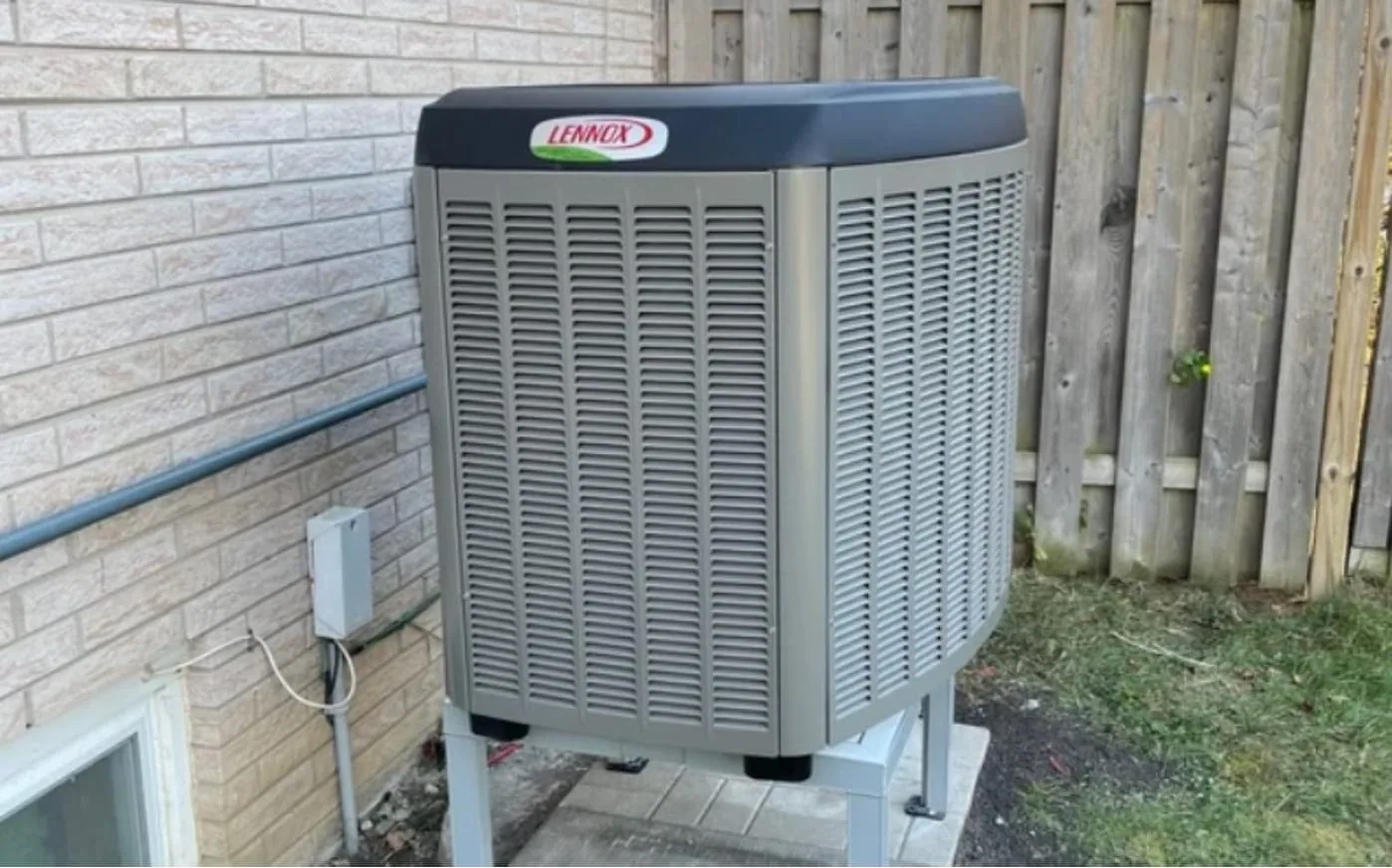
A heat pump does not burn fuel to create heat — it moves heat from one place to another. In winter it pulls warmth from the outdoor air (yes, even cold air holds usable heat) and brings it inside; in summer it runs in reverse, pulling heat out of your home to cool it. That is why one unit handles both your heating and your air conditioning, where a traditional setup needs a separate furnace and AC.
Because it transfers heat instead of generating it, a heat pump does the same job using far less energy than a combustion furnace — and there are a few different types to suit different homes.
Air-Source Heat Pumps
The most common type, and usually the most affordable to install. An outdoor unit pulls heat from the air and moves it through your existing ductwork. Modern cold-climate models are a big step up from the heat pumps of a decade ago and are a solid fit for most Cincinnati homes.
Geothermal (Ground-Source) Heat Pumps
These exchange heat with the ground, where the temperature stays steady year-round. They are the most efficient option and the quietest, but they cost more upfront because of the buried loop, so they make the most sense as a long-term investment.
Ductless Mini-Splits
Ductless mini-splits deliver heating and cooling room by room without any ductwork. They are ideal for additions, older homes, finished basements, or any space a central system never reaches well, and they let you set different temperatures in different rooms.
Can a Heat Pump Heat a Whole House?
It can, when it is sized and installed correctly. A heat pump matched to your home will keep every room comfortable through the year. Whether it does that well comes down to a handful of factors — and getting them right is what separates a system that quietly works from one that struggles.
Size and Design of Your Home
Square footage, layout, ceiling height, the number of windows, and how the rooms connect all affect how much heating and cooling you actually need. An undersized unit runs constantly and still falls behind on the coldest days; an oversized one short-cycles, wastes energy, and wears out faster. Getting the size right with a proper load calculation is the single most important part of the job — and the reason a heat pump should never be a guess.
Your Climate
Heat pumps have always performed well in moderate climates, and today’s cold-climate models hold their own through Cincinnati winters that a decade ago would have pushed an air-source unit to its limit. For the handful of truly frigid days each year, a backup heat source picks up the slack so you are never left cold.
How Well Your Home Holds Heat
Insulation, windows, and air sealing matter as much as the equipment itself. A well-sealed home lets a heat pump do its job efficiently and hold a steady temperature; a drafty one makes any system work harder than it should and drives up the bill. It is worth addressing obvious leaks and thin insulation before or alongside an install so you get the full benefit of the new system.
Do Heat Pumps Work in a Cincinnati Winter?
This is the question we hear most, and the honest answer is yes — with the right equipment. Older heat pumps lost efficiency as temperatures dropped, which is where the bad reputation came from. Cold-climate models built today use variable-speed compressors and improved refrigerants to pull usable heat from the air well below freezing, which covers the large majority of our winter.
For the coldest stretches, a heat pump pairs with a backup, or auxiliary, heat source that kicks in automatically when it is needed. Many Cincinnati homeowners go with a dual-fuel setup — a heat pump paired with a gas furnace — so the efficient heat pump does the everyday work and the furnace handles the deep freeze. You get low bills most of the season and dependable heat when it matters most.
Benefits of a Whole-Home Heat Pump
Beyond answering the main question, here is why so many homeowners make the switch.
Energy Efficiency
Moving heat takes far less energy than burning fuel to create it, so a heat pump typically uses less energy than a furnace for the same comfort. Over a full heating season, that difference shows up directly as lower utility bills.
Heating and Cooling in One System
One unit covers both seasons. That means a single system to install, service, and maintain instead of a separate furnace and air conditioner — fewer moving parts to fail and one maintenance visit instead of two.
Lower Environmental Impact
Because they run on electricity and move rather than generate heat, heat pumps use less energy overall and produce no on-site combustion, which suits homeowners looking to cut their carbon footprint and move away from burning fuel at home.
Steady, Consistent Comfort
Heat pumps deliver even, steady warmth rather than the blasts of hot air a furnace cycles on and off. The result is fewer cold spots, less temperature swing, and a more consistent feel from room to room — which is exactly what whole-home comfort is supposed to mean.
What About Cost and Energy Savings?
A heat pump usually costs more upfront than a basic furnace or AC, and the exact price depends on the type of system, your home, and the installation. The trade-off is on the other side of the ledger: lower monthly energy use over the life of the system, often helped along by utility rebates and tax incentives for high-efficiency equipment. For a home that needs both heating and cooling replaced anyway, a single heat pump can be the more sensible buy than two separate systems. The only way to get a real number is an in-home estimate that accounts for your specific space.
Is a Whole-Home Heat Pump Right for You?
A heat pump is a strong fit if you want heating and cooling from one efficient system, your home is reasonably well insulated, and you are looking to lower energy use over time. It is also worth a serious look if your furnace and air conditioner are both aging and due for replacement, since you can consolidate them into one unit.
If your home is poorly sealed or you live somewhere with brutal, sustained cold, the answer is not no — it just means planning for proper insulation and a backup heat source. Here is the honest part: a heat pump is not a one-size-fits-all swap, and anyone who tells you otherwise is selling, not advising. The right call depends on your specific home, which is exactly what a professional assessment sorts out. And if a full system is more than you need right now, a ductless mini-split can heat and cool the rooms that need it most without committing to whole-home equipment.
Sizing and Installation Make or Break It
More than almost any other system, a heat pump lives or dies on the quality of the installation. The unit has to be sized to a real load calculation, the ductwork has to move the air it is designed for, and the refrigerant charge and controls have to be set correctly before the job is done. A great heat pump installed poorly will underperform and cost you; a correctly installed one quietly does its job for years. That is the part worth paying a licensed pro to get right.
Talk to Degree of Comfort About Heat Pumps
If you are weighing a heat pump for your home, Degree of Comfort can assess your space, size the system correctly, and handle the installation right. We serve homeowners across Cincinnati and the surrounding Tri-State, including Northern Kentucky and Southeast Indiana, and we are family-owned, licensed and insured, with upfront, flat-rate pricing and a satisfaction guarantee.
Ready to find out if a heat pump fits your home? Call (513) 586-5107, ask about heat pump installation, or request an estimate and let our team walk you through it.
Frequently Asked Questions
Let Degree of Comfort Handle It
Our licensed technicians serve Cincinnati and surrounding areas. Same-day service available.
Call (513) 586-5107