Key Takeaways
- The most common cause is the thermostat fan setting — switch it from ON to AUTO so the blower only runs when the air is actually warm.
- A dirty filter is the next suspect. A clogged filter starves the furnace of airflow and can trip its safety limit; change it about every 90 days.
- On gas furnaces, a pilot light or dirty flame sensor can stop the burners from firing, so the blower pushes room-temperature air.
- If the basics check out and it is still cold, stop guessing and call for furnace repair.
Start with the thermostat. Nine times out of ten, a furnace blowing cold air comes down to the fan being set to ON instead of AUTO, or a filter so clogged the system can barely breathe. Both are things you can check in a couple of minutes before anyone comes out. Below are the causes we see most, roughly in the order worth checking them.
How Does a Furnace Work?
A furnace heats in a cycle, not a constant blast. When your thermostat calls for heat, the burners (or heating elements) fire first and warm up the heat exchanger. Only once that metal is hot does the blower kick on and push warm air through your ducts. When the room hits the set temperature, the burners shut off, the blower runs a little longer to clear the leftover heat, then everything stops until the next call.
Knowing that order matters. If air is coming out of your vents but it feels cool, the question is almost always: is the blower running while nothing is heating it? That points you straight at the causes below.
Start With the Thermostat
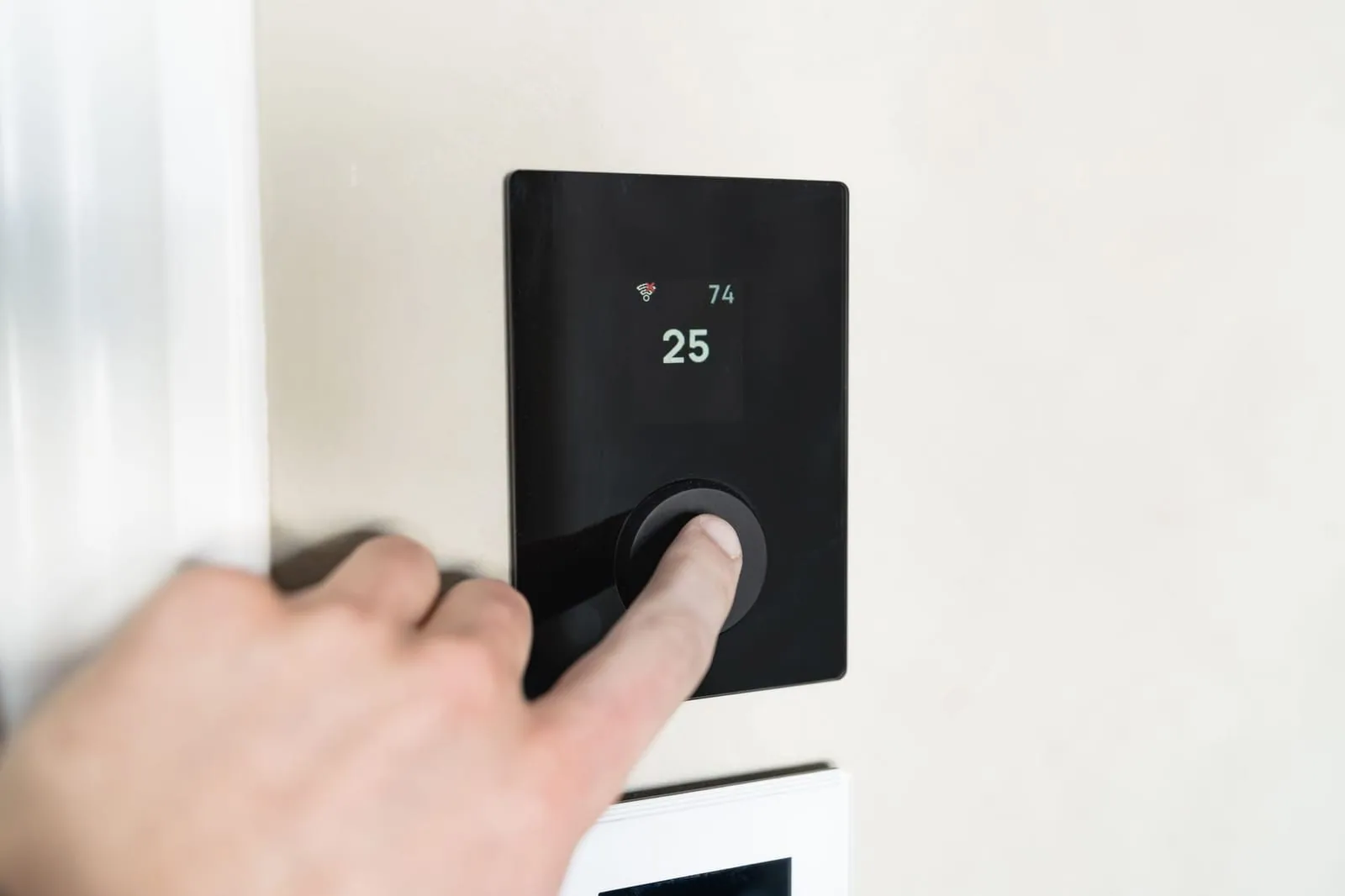
Check the fan setting first. If it is set to ON, the blower runs constantly — even between heating cycles, when the burners are off — so it circulates cool, unheated air. Switch it to AUTO and the fan only runs when the furnace is actively making heat.
While you are there, confirm the system is set to HEAT and the target temperature is a few degrees above the room. If the screen is blank, replace the batteries. It sounds too simple to be the answer, but it is the single most common reason we get called out, and it costs nothing to rule out.
Replace the Air Filter
A clogged filter is the next thing to check. When a filter loads up with dust, it restricts airflow across the heat exchanger. The furnace can overheat and trip its high-limit safety switch, shutting the burners down while the blower keeps running — which is exactly how you end up with cold air at the vents.
Pull the filter and hold it up to a light. If you cannot see through it, replace it. As a rule, swap a standard filter about every 90 days, more often if you have pets or run the system hard. This one is genuinely DIY — no need to pay anyone for it. For a fuller rundown, see how often you should change your furnace filter.
Inspect Your Air Ducts
If the air leaving the furnace is warm but the air reaching your rooms is not, look at the ductwork in between. Cracks, gaps at the joints, or crushed sections in an attic or crawlspace let heated air escape and pull in cold air before it ever reaches you.
You can eyeball the accessible runs for obvious separations or damage, but leaks buried in walls and ceilings are hard to find without the right tools. If your heating bill has crept up alongside the cold-air complaint, leaky ducts are a strong suspect worth having a technician evaluate.
Check the Pilot Light
If you have an older gas furnace with a standing pilot, look at the flame. It should burn a steady blue. A weak, flickering, or yellow flame — or no flame at all — means the burners may not be igniting, so the blower is moving air that never got heated.
A pilot that will not stay lit often points to a failing thermocouple, the safety sensor that tells the gas valve the flame is present. Relighting per the label on the unit is reasonable to try once. If it keeps going out, leave it — that is a gas component, and it is worth a professional look rather than repeated attempts.
Clean the Flame Sensor
Newer gas furnaces skip the standing pilot and use a flame sensor instead. This thin metal rod confirms the burners lit; when it gets coated in soot or corrosion, it can no longer detect the flame and shuts the gas off as a safety measure. The furnace tries to start, fails the check, and you feel cool air.
A dirty flame sensor is one of the most common no-heat calls in winter, and it is usually a quick clean rather than a replacement — a good example of a repair that beats writing off the furnace. Cleaning it means shutting off power and gas and handling the burner assembly, so most homeowners are better off having it done as part of a tune-up. For the bigger safety picture, review these preventive measures for furnace safety.
When to Stop Troubleshooting and Call Us
If the fan is on AUTO, the filter is clean, the ducts look fine, and the furnace is still blowing cold, it is time to bring someone in. Persistent cold air can signal a cracked heat exchanger, a failing control board, or a gas-supply problem — none of which are safe to chase on your own. And if the unit is well past its prime, our writeup on how long furnaces last can help you weigh repair against replacement.
Get Your Heat Back With Degree of Comfort
Degree of Comfort diagnoses and repairs furnaces across Cincinnati and the surrounding Tri-State, including Northern Kentucky and Southeast Indiana. We are family-owned, licensed and insured, with upfront, flat-rate pricing and a satisfaction guarantee — so you know the cost before we start.
Still getting cold air from the vents? Call (513) 586-5107, ask about furnace repair, or request an estimate and we will get your heat working right.
Frequently Asked Questions
Let Degree of Comfort Handle It
Our licensed technicians serve Cincinnati and surrounding areas. Same-day service available.
Call (513) 586-5107