

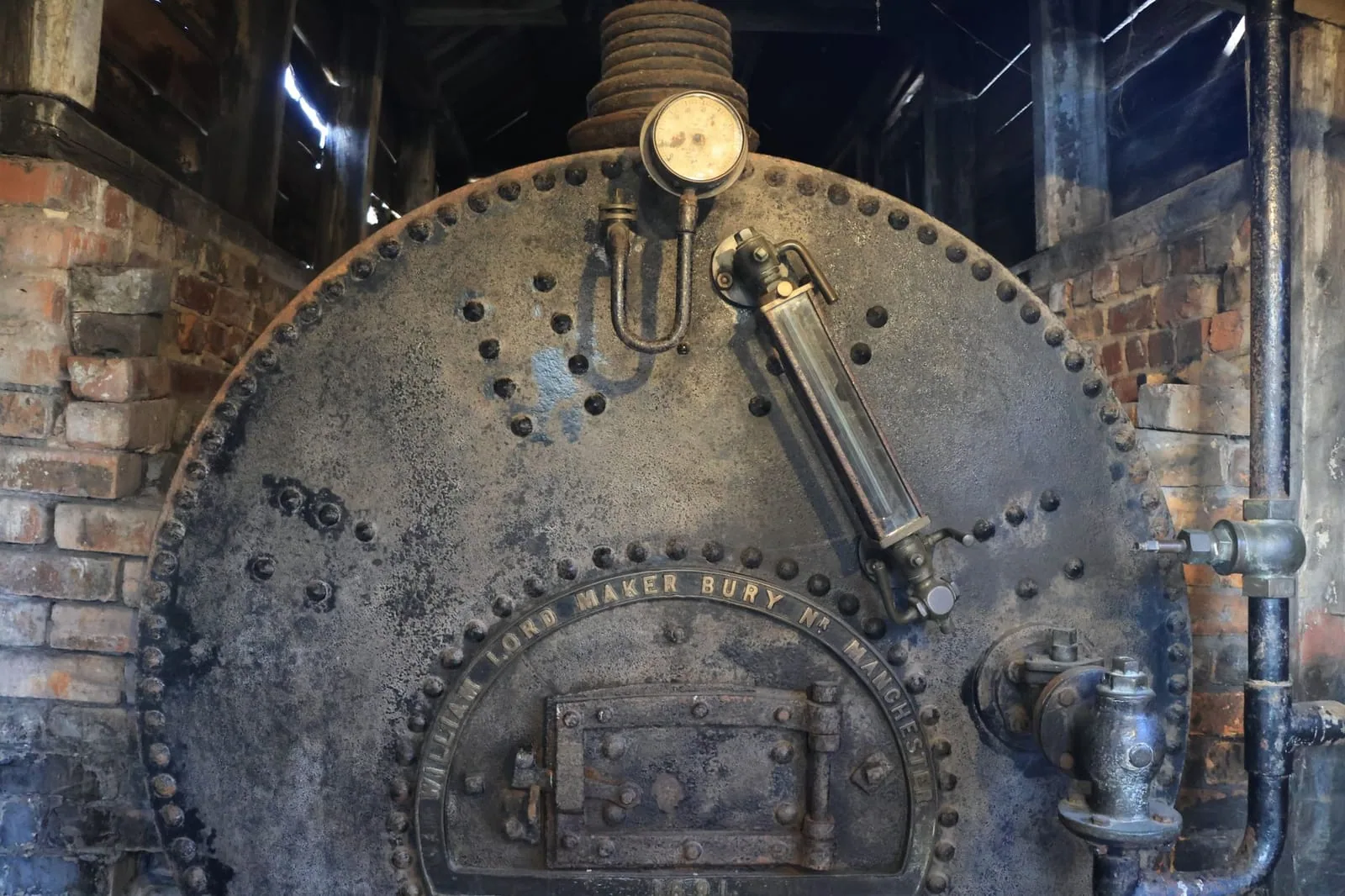
Key Takeaways
- A boiler heats water, not air, then circulates it through radiators, baseboards, or tubing under your floors — quiet, even, and dust-free.
- High-efficiency boilers run around 90%, close to a top furnace’s 95%, so more of your fuel turns into heat.
- A well-maintained boiler lasts 15 to 25 years, longer than most furnaces.
- One annual service call, 60 to 90 minutes, is the single best thing you can do to keep it safe and efficient.
A boiler heats water and pumps it through pipes to radiators, baseboards, or tubing under your floors. As the hot water passes through, it gives off heat and warms the room, then loops back to be reheated. That’s the whole idea. It’s a different approach from a furnace, which heats air and blows it through ducts. Here’s what that difference means for your comfort, your bills, and your maintenance schedule.
How a Boiler Actually Works
A burner — usually gas, sometimes oil or electric — heats water inside a sealed vessel to roughly 140°F. A small pump called a circulator pushes that hot water through a closed loop of pipes out to your radiators, baseboard fins, or radiant floor. The heat radiates into the room, the now-cooler water returns to the boiler, and the cycle repeats.
Despite the name, the water usually doesn’t boil. At 140°F it’s well below boiling, which is exactly what you want — hot enough to heat the house, cool enough to run safely for years. The system also depends on steady water pressure. Most boilers run on a closed loop with a pressure gauge, and if that pressure drops too low, the water won’t circulate properly and rooms go cold.
Boiler vs. Furnace: What’s the Difference?
The core difference is water versus air. A boiler delivers heat through hot water, so there’s no forced air moving through your rooms. That means less circulating dust, quieter operation, and none of the dry-air problem forced-air systems create — you generally don’t need a separate humidifier the way you might with a furnace. Boilers also make it easy to heat room by room, so you’re not paying to warm space nobody’s using.
Furnaces have their own strengths. They warm a house faster from cold, and the same blower that moves warm air in winter moves cool air from your air conditioner in summer. If you’re weighing the two, it helps to know how each holds up over time — see how long furnaces last and what a new furnace costs before you decide.
The Pros and Cons of a Boiler
Where Boilers Shine
Comfort is the big one. Radiant and baseboard heat feels even and gentle, without the drafts and temperature swings you get from air cycling on and off. Efficiency is strong too — a high-efficiency boiler runs around 90%, not far behind a top furnace at 95%. Boilers are quiet, they don’t blow dust around, they zone well, and because a good one can last 15 to 25 years, a reliable system can add value when you sell.
Where They Fall Short
Boilers cost more to install than a comparable furnace, and they warm a cold house more slowly. The bigger catch: a boiler doesn’t use ducts, so it gives your home no built-in path for central air conditioning. If cooling matters to you, you’ll likely pair a boiler with ductless mini-splits or a separate system. And straight talk — if you already have a furnace and ductwork and just want to fix summer heat, ripping it out for a boiler isn’t the answer. The reverse is true too: a boiler that’s simply low on pressure or has a stuck valve is usually a repair, not a reason to replace the whole system.
Keeping a Boiler Healthy
Boilers reward regular care. Plan on one professional service a year — it typically takes 60 to 90 minutes. During that visit a technician checks the water pressure, looks for leaks and corrosion, tests the safety controls, inspects the expansion tank and circulator pump, and bleeds trapped air out of the radiators so they heat fully. Skip it year after year and you slowly lose efficiency and raise the odds of a failure on the coldest night of the year.
Not everything needs a pro. Bleeding a radiator that stays cold at the top is a simple job most homeowners can do with a small key and a few minutes. But anything involving the burner, the pressure system, or a suspected leak should go to a licensed technician. If your system is due, our heating team can service, repair, or replace it.
Get Straight Answers From Degree of Comfort
Degree of Comfort installs, services, and repairs boilers across Cincinnati and the surrounding Tri-State, including Northern Kentucky and Southeast Indiana. We’re family-owned, licensed and insured, with upfront, flat-rate pricing and a satisfaction guarantee — no surprises when the invoice shows up.
Wondering whether your boiler has years left or it’s time to plan a replacement? Call (513) 586-5107 or request an estimate and we’ll take a look.
Frequently Asked Questions
Let Degree of Comfort Handle It
Our licensed technicians serve Cincinnati and surrounding areas. Same-day service available.
Call (513) 586-5107