Key Takeaways
- Short cycling means the furnace shuts off before it finishes heating the house, then starts again a few minutes later. A normal furnace cycles about 3 to 8 times an hour.
- When it shuts off tells you why. Off within seconds of lighting points to the flame sensor. Off after a few minutes, with the blower still running, points to overheating, usually from a dirty filter.
- Check the filter, the thermostat, and the outdoor vent pipes first. They are the most common causes you can check yourself, in about 15 minutes.
- Don’t keep resetting it. If it trips again after one reset, a safety switch is doing its job, and a technician should find out why.
A furnace that turns on and then shuts off after a few seconds or a few minutes is short cycling. It means something is stopping the heating cycle before the house reaches the temperature on your thermostat. The most common causes are a clogged air filter that makes the furnace overheat, a dirty flame sensor that can’t confirm the burners are lit, a blocked vent pipe, and a thermostat in the wrong spot. Less often, the furnace is simply too big for the house. How long it runs before it shuts off is the best clue to which one you have. Here is how to read it, what you can check yourself, and when to call.
What Short Cycling Means
A healthy furnace runs in steady cycles. The thermostat calls for heat, the burners light, the blower moves warm air through the house, and the furnace shuts off once the room reaches the set temperature. On a cold day, that usually means about 3 to 8 cycles an hour, each long enough to warm the whole house. It cycles more in a cold snap and less in mild weather.
Short cycling is when the furnace shuts off early, before that job is done, and then starts again a few minutes later. You might hear the burners light and go out again within seconds, or notice the furnace running for two or three minutes at a time all day while the far rooms stay cold. Either way, the furnace is starting and stopping far more than it should.
Why Your Furnace Turns On Then Shuts Off: Read the Timing
Stand near the furnace through one full cycle and note when it shuts down. That one observation narrows the cause more than anything else.
The Burners Light, Then Go Out Within Seconds
This is almost always the flame sensor. It is a thin metal rod that sits in the burner flame and tells the control board the gas has lit. When it gets coated with residue, it can’t detect the flame, so the board shuts the gas off a few seconds after ignition as a safety step. Most furnaces then retry a few times and lock out, on many models for about an hour. A technician cleans or replaces the sensor, usually in one short visit. A weak igniter or low gas pressure can cause the same pattern, which is why it is worth having the whole ignition sequence checked.
It Runs a Few Minutes, the Burners Stop, and the Blower Keeps Going
That is the high-limit switch shutting the burners off because the furnace is overheating. The blower keeps running to cool it down. Overheating almost always comes from too little airflow: a clogged filter, closed or blocked vents, a blocked return grille, or a dirty blower wheel. Start with the filter. If it is gray and matted, that is very likely your answer. Our guide to how often to change your furnace filter covers what to buy and when.
The Small Fan Starts, but It Never Lights
On a high-efficiency furnace, a small inducer fan runs first to clear the vent pipe, and a pressure switch confirms the vent is clear before the burners light. If the vent pipe is blocked or the condensate drain is clogged, the switch never closes and the furnace shuts down before ignition. Check the two white PVC pipes where they leave the house. Snow, ice, leaves, and nests are the usual culprits.
It Runs Normal Cycles, Just Too Many of Them
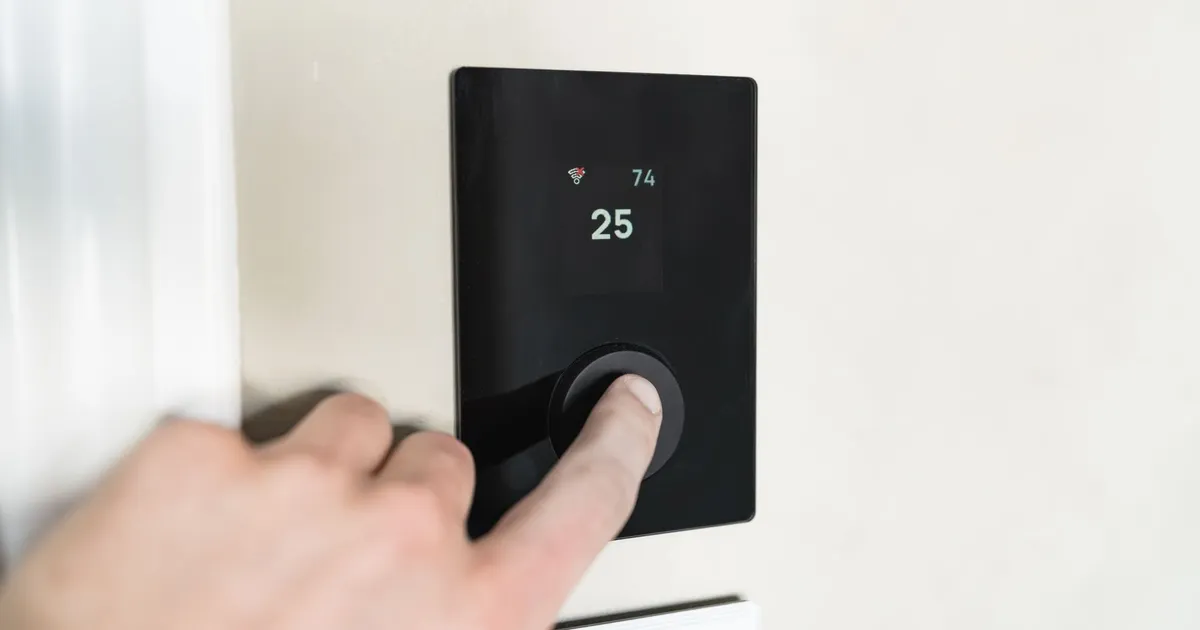
If each cycle looks normal but they are short and constant, look at the thermostat first. A thermostat next to a supply register, above a lamp, or in afternoon sun reads warm air and shuts the furnace off before the rest of the house heats. Dead batteries and a wrong cycle-rate setting on a newer thermostat do the same. If the thermostat checks out, the furnace may be oversized for the house.
Common Causes of Short Cycling in Cincinnati Homes
Two causes come up more here than in milder places. The first is snow and ice over the vent pipes. Many high-efficiency furnaces in the Cincinnati area vent through a side wall close to the ground, and a drift or an ice ridge after a winter storm is enough to block them. The second is closed registers in older homes. People close vents in unused rooms to push heat elsewhere, but each closed vent adds pressure and cuts airflow, which is exactly what makes a furnace overheat and trip its high limit. If you have closed more than a couple, open them all and see if the cycling stops.
Is Your Furnace Too Big for Your Cincinnati Home?
An oversized furnace heats the air near the thermostat quickly, shuts off, and leaves the rest of the house behind. It is common in homes where the furnace was sized by square footage, or where insulation and new windows were added later and cut the heat the house actually needs. The U.S. Department of Energy notes that even newer systems are often oversized, and that oversizing shortens equipment life and hurts comfort.
Our view: don’t replace a short-cycling furnace until someone has checked the filter, the flame sensor, the vents, and the thermostat. Those account for most short cycling, and they cost far less than a new furnace. If the furnace really is oversized and near the end of its 15 to 20 years anyway, the next one should be sized with a proper load calculation, not matched to the old one.
Why Short Cycling Matters
Wear. The start of each cycle is the hardest moment on a furnace. The igniter, the inducer, the blower motor, and the control board all take a hit every time it starts, so a furnace starting three times as often wears out sooner.
Comfort and bills. Short cycles never get warm air to the far rooms, so you turn the thermostat up and burn more gas without the house feeling warmer.
Safety. A furnace that keeps overheating puts repeated stress on the heat exchanger, and a cracked heat exchanger can leak carbon monoxide. If the furnace also has a burning smell, a yellow or lifting flame, or soot around the burners, treat it as a safety problem. The U.S. Consumer Product Safety Commission recommends a working CO alarm on every level of the home.
What to Check Before You Call
You can do all of these yourself in about 15 minutes:
Replace the filter. ENERGY STAR recommends checking it every month in heating season and changing it at least every 3 months.
Check the thermostat. Replace the batteries, make sure it is set to heat, and look at what is near it. If a register blows on it or the sun hits it, that is a likely cause.
Open every vent and clear the returns. Move furniture and rugs off the registers and the big return grilles.
Clear the outdoor vent pipes. On a high-efficiency furnace, brush snow, ice, and leaves away from both PVC pipes.
Read the blink code. Most furnaces have a small light on the control board, visible through a window in the lower panel. Count the flashes and match them to the chart on the inside of the panel door. Write the code down; it saves time when the technician arrives.
If the furnace is still short cycling after all five, reset it once by turning the power switch off for a minute. If it goes back to short cycling, stop there. For other no-heat problems, see our furnace troubleshooting tips.
When You Don’t Need a Technician
If a new filter, fresh thermostat batteries, or clearing snow off the vent pipes fixed it, you’re done. You don’t need us, and you don’t need a diagnostic visit to confirm it. Watch it for a day. If the cycles stay long and the house heats evenly, the problem is solved.
When to Call a Cincinnati Furnace Technician
Call if the furnace keeps short cycling after the checks above, if it locks out, if the blink code points to a flame, pressure, or limit fault, or if you have reset it more than once. Call right away if you smell gas or something burning. If your CO alarm sounds, get everyone outside first and call 911 or your gas company from outside. If the furnace is 15 years old or more and this is the latest in a string of repairs, our guide to whether to repair or replace your furnace will help you decide. A yearly furnace tune-up, which includes cleaning the flame sensor and checking the limit switch, prevents a lot of short cycling in the first place.
Get Furnace Short Cycling Fixed in Cincinnati
Degree of Comfort handles furnace repair across Cincinnati and the surrounding Tri-State, including Northern Kentucky and Southeast Indiana. We find the reason your furnace is short cycling, tell you the price before we start, and fix the cause, not just the symptom. We are family-owned, licensed and insured, with upfront, flat-rate pricing and 24/7 no-heat service.
Call (513) 586-5107 or request an estimate.
Frequently Asked Questions
Let Degree of Comfort Handle It
Our licensed technicians serve Cincinnati and surrounding areas. Same-day service available.
Call (513) 586-5107