

Key Takeaways
- Hard water is water high in calcium and magnesium — common across Greater Cincinnati, safe to drink, but tough on your home.
- The signs are everywhere once you spot them — soap scum, spotty dishes, dry skin and hair, stiff laundry, and dropping water pressure.
- It quietly shortens appliance life — scale builds inside the water heater, dishwasher, and pipes, raising energy use and repair bills.
- A water test confirms it, and a water softener or filtration system is the lasting fix.
If your glasses come out of the dishwasher spotted, your skin feels tight after a shower, and there is a chalky crust around the faucets, your home very likely has hard water. It is one of the most common water issues in the Greater Cincinnati area, and while it is safe to drink, it works against your plumbing and appliances every single day.
Here is how to spot hard water, what it is costing you, and the steps that actually fix it.
What Is Hard Water?
Hard water simply means water with a high mineral content, mostly calcium and magnesium, picked up as it moves through rock and soil. Those minerals are not a health hazard, but as the water heats and evaporates they leave behind scale — the chalky residue that builds up inside pipes, fixtures, and every appliance the water touches.
Signs Your Home May Have Hard Water
Any one of these on its own is easy to shrug off. Together, they point clearly to hard water.
Soap Scum and Spots Everywhere
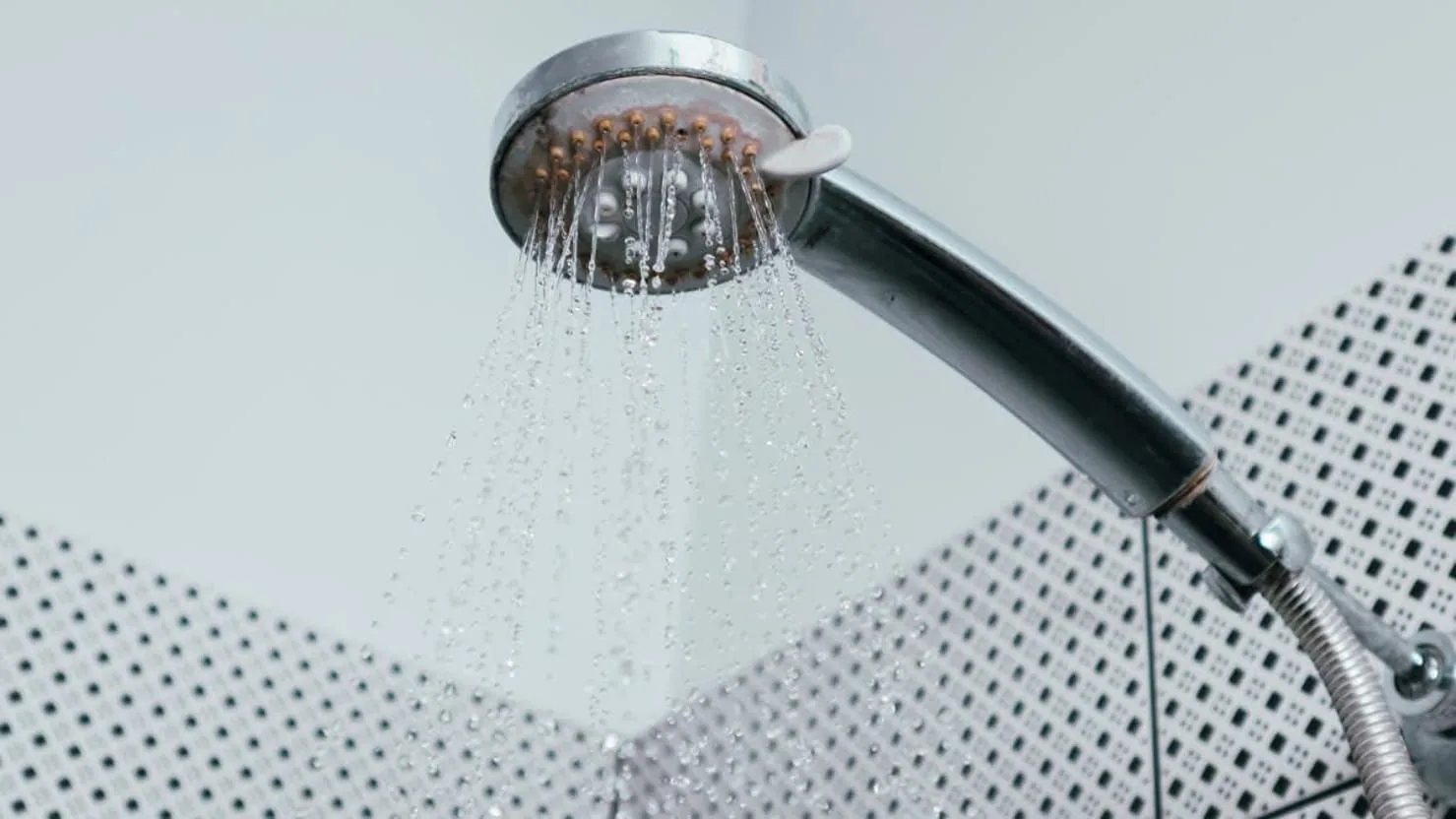
A white film on the shower glass, spots on dishes straight out of the dishwasher, and a chalky crust on faucets and showerheads are the most visible tell. That same residue is building up where you cannot see it, too.
Dry Skin and Hair
Hard water keeps soap from rinsing away cleanly, leaving a thin film behind. The result is skin that feels tight or itchy after a shower and hair that looks dull and feels harder to manage.
Laundry That Never Feels Clean
Minerals keep detergent from lathering and rinsing fully, so clothes come out stiff, dingy, or still a little soapy. Many homeowners respond by using more detergent, which only adds to the buildup.
Dropping Water Pressure
Over time, scale narrows the inside of your pipes and clogs aerators and showerheads, which shows up as weaker flow — often on the hot side first. If pressure keeps fading, it may be time for a pipe inspection or repair.
Appliances Wearing Out Early
Scale coats the heating element and lining of your water heater and clogs the dishwasher and washing machine, making them work harder and fail sooner. A quarter inch of buildup inside a water heater noticeably raises the energy needed to heat the tank.
How to Confirm and Fix Hard Water
You can confirm a hunch at home, but a real fix starts with knowing exactly how hard your water is.
Try the Soap Shake Test
Fill a clear bottle partway with tap water, add a few drops of pure liquid soap, cap it, and shake. Lots of fluffy suds means soft water; weak suds with cloudy, milky water points to hard water. It is a quick gut check, not an exact reading.
Get Your Water Professionally Tested
A professional water quality test measures the exact hardness along with other minerals, which is what lets us recommend and size the right treatment instead of guessing.
Descale With Vinegar in the Meantime
As a stopgap, soak aerators and showerheads in white vinegar to dissolve the scale and restore some flow. It cleans what you can reach, but it does not treat the water itself.
Install a Water Softener or Filtration System
The lasting fix is treating the water before it reaches your plumbing. A water softener or whole-home filtration system removes or swaps out the hardness minerals, protecting your pipes and appliances and ending the soap scum and spotting for good.
Is Hard Water Bad for Your Health?
Not really. Hard water is safe to drink and even adds trace minerals. The real cost is comfort and money — it can aggravate dry skin or eczema, and it steadily wears down the plumbing and appliances you have already paid for. Some softeners add a small amount of sodium to the water, so if that is a concern we can walk you through salt-free conditioning options.
Say Goodbye to Hard Water With Degree of Comfort
If the signs sound familiar, Degree of Comfort can test your water and put the right solution in place. We serve homeowners across Cincinnati and the surrounding Tri-State, including Northern Kentucky and Southeast Indiana, and we are family-owned, licensed and insured, with upfront, flat-rate pricing and a satisfaction guarantee.
Tired of spots, scale, and stiff laundry? Call (513) 586-5107, ask about a water quality test and treatment, or request an estimate and let our team handle it.
Frequently Asked Questions
Let Degree of Comfort Handle It
Our licensed technicians serve Cincinnati and surrounding areas. Same-day service available.
Call (513) 586-5107