Mold Prevention & Remediation in Queensgate, Cincinnati, OH
Mold Prevention & Remediation in Queensgate
Queensgate mold remediation is mostly commercial work, following floods on the low ground near the Mill Creek that were pumped out but never dried. Mold establishes in drywall, insulation and stored stock within a day or two. We contain the area, remove porous material, and dry to a reading.
Local Mold Prevention & Remediation Pros Who Know Queensgate
Queensgate is the largely commercial and industrial district west of downtown, built on low ground near the Mill Creek that is prone to flooding. When water gets into a warehouse or office and is pumped out without drying, the drywall, insulation, and stored materials it soaked stay wet, and mold establishes in that organic material within a day or two across whatever floor area the water reached.
We confirm the water is gone and repair its source where that is plumbing, then contain the affected area with sheeting and negative air so the growth is not spread through the building while it is disturbed. Porous material the growth has gone through comes out, the sound surfaces are HEPA vacuumed and treated with an antimicrobial, and everything is dried to a measured reading sized for a commercial space. Dried fast enough, during the flood, there is often nothing to remediate. A small patch of surface mold on the tile in a restroom, on the other hand, is steam on a non-porous surface — a cleaning matter, not remediation.
What the Job Covers
Locating and repairing the moisture source, containment with sheeting and negative air pressure, removal of porous material with growth through it, HEPA filtration and antimicrobial treatment on the surfaces that stay, and drying the area to measured readings.
Containment is what separates remediation from cleaning. Disturbing growth without it moves the problem into rooms in your Queensgate home that did not have it.
Testing, and When It Is Worth It
Often it is not. If you can see growth and know where the water came from, testing tells you what you already know and delays the work. It earns its cost when you smell mold but cannot find it, when the extent behind walls has to be established, or when there is a dispute — a claim, a sale, a tenancy. In those cases we recommend an independent testing company rather than testing our own work.
Signs You Have a Mold Problem in Queensgate
In Queensgate's commercial and industrial buildings, the mold work usually follows:
- A musty smell that comes back after you air the room out
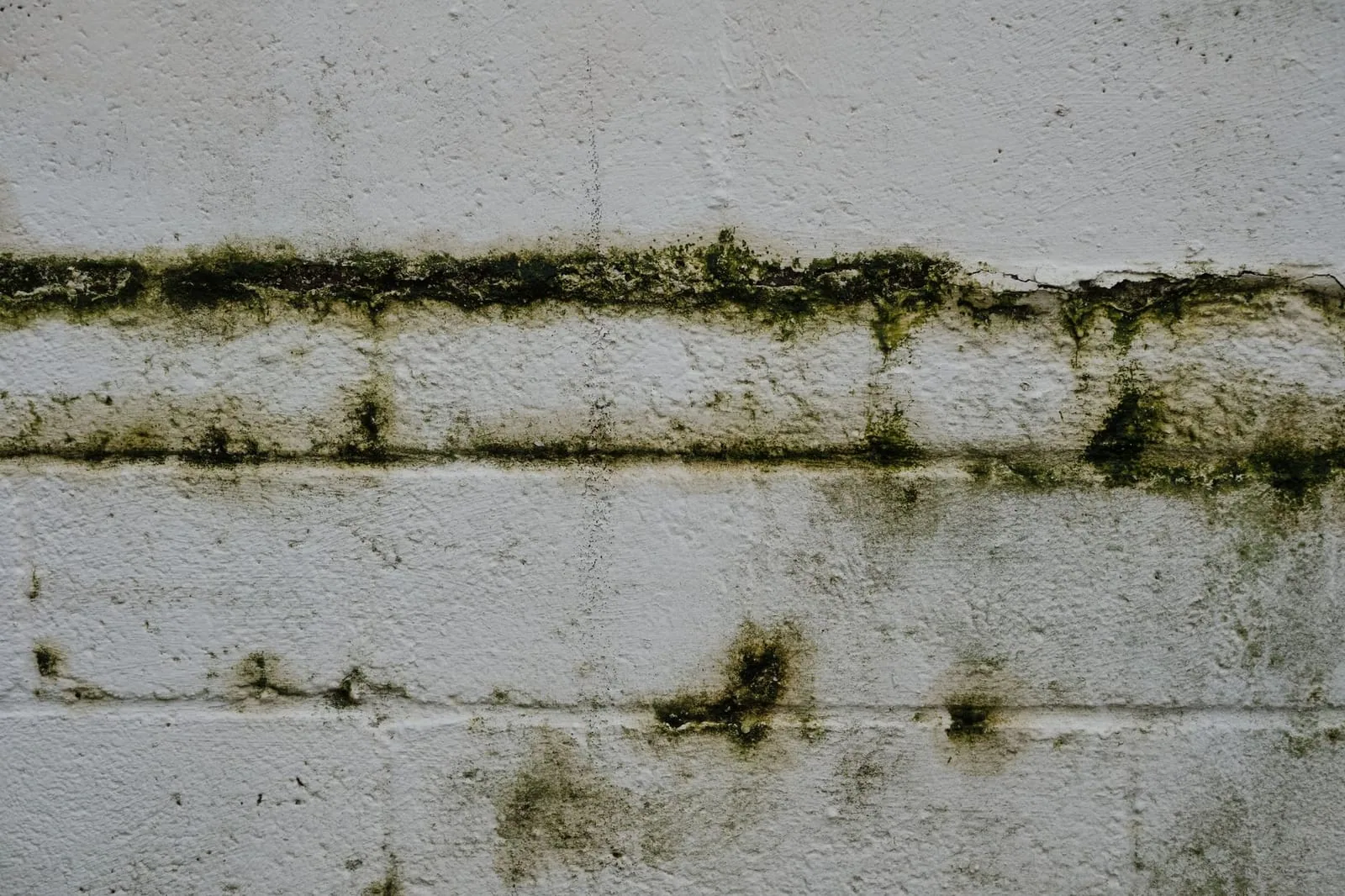
- Visible growth on drywall, framing, tile grout, or stored items
- Dark staining that spreads along a wall base or ceiling edge
- Water damage that was never properly dried out
Happy Homeowners
Why Homeowners in Queensgate Choose Degree of Comfort
Five Paws Across the Board.
Family owned since 1993, 33 years of experience
Hear more from our customers




Musty smell or visible growth in Queensgate? Get it looked at
Call NowWhen You Do Not Need Us
A patch of black spotting in the corner of a shower or along tile grout is almost always surface growth on non-porous material, fed by steam rather than a leak. Clean it, run the exhaust fan, and it stays gone. That is a maintenance job, not a remediation job, and paying anyone to contain a bathroom for it is money wasted. We would rather tell you that on the phone than send a truck to Queensgate.
Porous Versus Non-Porous
This is the line worth knowing. Surface growth on tile, glass, or sealed metal cleans off and stays off, provided whatever kept it wet is fixed. Growth on drywall, framing, carpet, or insulation has gone into the material, and cleaning the face of it accomplishes nothing — bleach kills what is on the surface while the growth inside continues. That is why remediation removes material rather than scrubbing it.
We Fix the Source, Not Just the Growth
A remediation crew that cannot touch plumbing hands you back a clean wall and the same drip. Because we are plumbers, the leaking supply line, failed fitting, or weeping drain joint behind the growth in your Queensgate home gets repaired as part of the same job. Mold that returns to the same spot means the moisture source was never actually fixed.
Prevention Is the Cheaper Half
Mold can begin establishing in damp material within roughly 24 to 48 hours, given the right temperature and something organic to grow on — which describes drywall paper and framing exactly. Most of the remediation we do could have been prevented by drying that started a day or two earlier. If you have had water damage in Queensgate in the last few days, the cheapest version of this conversation is happening now.
Why Queensgate Homeowners Call Us
We’re plumbers first, so the leak feeding the mold in your Queensgate home gets repaired on the same job. Sheeting, negative air and HEPA filtration keep the spores contained, and we record photos and moisture readings for your insurer.
Degree of Comfort in Queensgate


Mold Prevention & Remediation FAQs for Queensgate
Yes. Queensgate is mostly commercial and industrial, and we contain and remediate mold in warehouses and offices the same way we do in homes, sized for the larger space. The key on low ground here is speed: dried within a day or two of a flood, the material often never grows mold, and there is nothing to remediate. Once growth is established, we fix the water, contain, remove the affected material, and dry to a reading.
Mold can begin establishing in damp material within roughly 24 to 48 hours, given the right temperature and something organic to grow on — which describes drywall paper and framing exactly. This is the entire reason we push so hard on drying speed. Most mold remediation we do could have been prevented by drying that started a day or two earlier.
On a hard, non-porous surface like tile or sealed metal, a small patch of surface growth cleans off and stays off, provided you also fix whatever kept it wet. On porous material — drywall, framing, carpet — bleach kills what is on the surface while the growth inside the material continues. That is why remediation removes material rather than scrubbing it.
Often not. If you can see growth and you know where the water came from, testing tells you what you already know and delays the work. Testing is genuinely useful when you smell mold but cannot find it, when you need to establish the extent behind walls, or when there is a dispute — an insurance claim, a sale, a tenancy. In those cases we recommend an independent testing company rather than testing our own work.
The practical answer is that the species matters less than most people expect. Any significant indoor mold growth is a problem worth removing, and remediation is handled essentially the same way regardless of type. If someone in the house has asthma, an allergy, or a compromised immune system, treat any growth as worth acting on quickly and talk to a doctor about symptoms.
It depends heavily on the cause and the policy. Mold arising from a sudden covered event, like a burst pipe, is more often covered — frequently up to a capped limit specific to mold. Mold from a long-running leak or ongoing humidity is usually excluded as a maintenance issue. Our documentation of the source and timeline is what supports the claim either way.
Remove the water, not just the mold. That means repairing the leak, drying to measured readings rather than to touch, and controlling humidity in the space afterward — often a dehumidifier in a basement, sometimes better ventilation in a bathroom. Mold that returns to the same spot means the moisture source was never actually fixed.

Need Mold Prevention & Remediation in Queensgate?
Call now for fast, licensed service in Queensgate, Cincinnati, OH, or request an estimate.
Call (513) 586-5107Get Mold Remediation in Queensgate. We’ll handle the rest.
(513) 586-5107Call · Mon–Sun: 8am–8pm
Step 1 of 2