
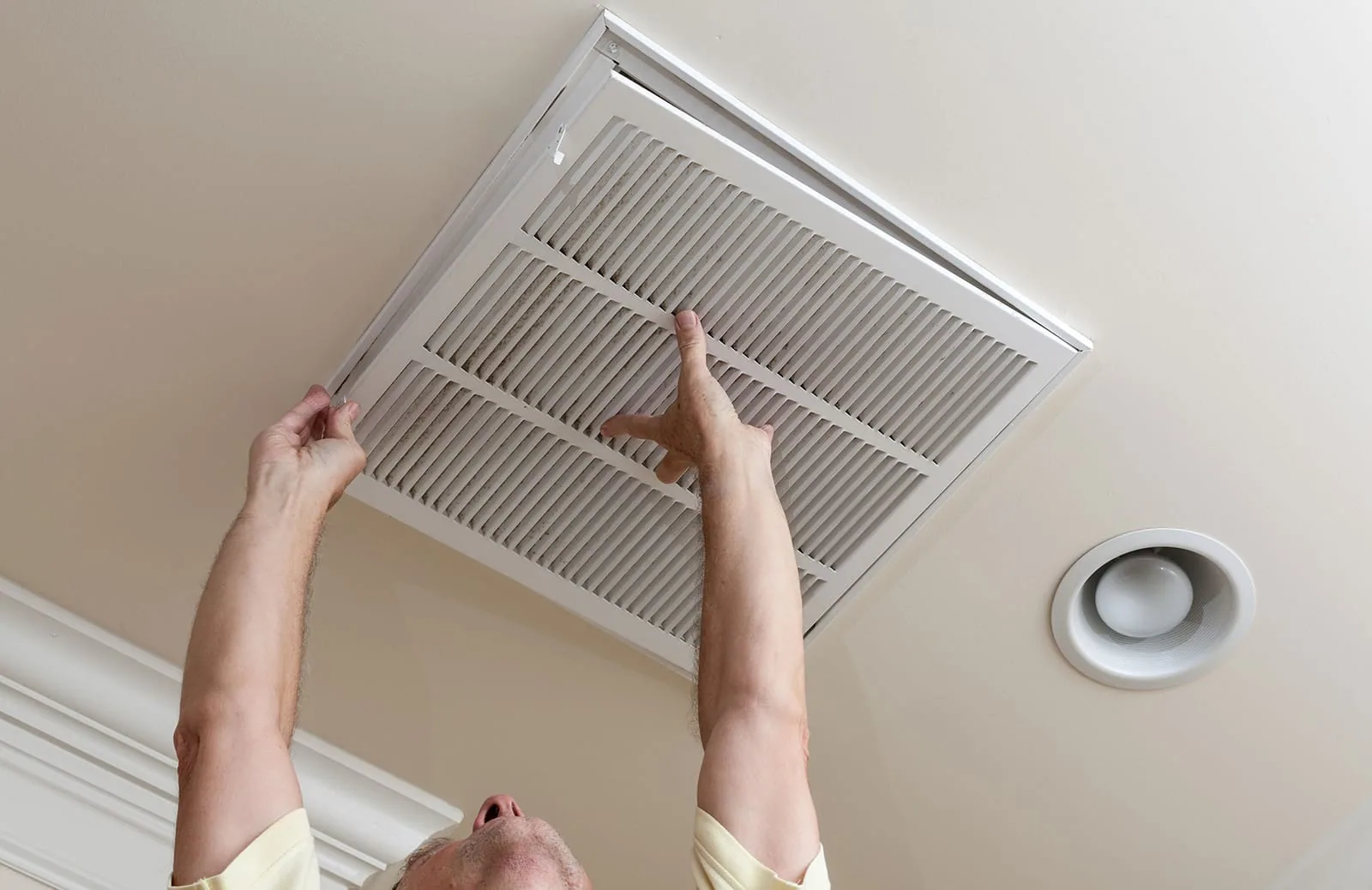
Indoor Air Quality in Reading, OH
Local Indoor Air Quality Pros Who Know Reading
In Reading, the air problems we find usually start in the basement. The median house dates to 1956 and nearly a quarter predate 1940, so many sit on old foundations that let in damp, and the city itself says Mill Creek flooding has troubled it since its founding. A wet basement feeds musty air into the ducts and up through every room. About two homes in five are rented. We test before recommending anything, give you one price for the fix, and say so if it only needs a filter.
Air Quality Problems That Can’t Wait in Reading
Nobody should stay inside to investigate a carbon monoxide alarm; walk the family out and phone 911. A gas odor calls for the same exit, switches untouched, with the gas company called from outdoors. If the vents smell of burning, switch the thermostat off. Infants and people with asthma are hurt first. Most calls are seen same day, weekends included.
Signs a Home in Reading Has an Indoor Air Quality Problem
Basements near the creek and older ductwork shape most of what we hear about from homes in Reading:
- A basement near Mill Creek that smells like wet cardboard every spring
- Dust drifting out of the floor registers of a 1950s house every time the furnace starts
- Allergies that ease at work and return the moment you walk in at home
- A rented half of a two-family house where the bathroom fan stopped working years ago
Whole-Home Air Filtration in Reading
- 1
Germs and Bacteria Removed
Eliminates airborne bacteria, germs and mold spores.
- 2
Easier Breathing
Better air for allergies and asthma, and no more pet dander.
- 3
Fresher Rooms
Less dust, no lingering odors and steadier humidity in every room.
Happy Homeowners
Why Homeowners in Reading Choose Degree of Comfort
Five Paws Across the Board.
Family owned since 1993, 33 years of experience
Hear more from our customers






Drier, cleaner air for basements and older houses in Reading
Call NowWhat Indoor Air Quality Service Includes in Reading
We start with the basement, since that’s where trouble usually begins in older houses here. The humidity reading down there tells us a lot, and so do water lines on the walls, rust on the furnace cabinet or a musty filter. Upstairs we measure dust and fine particles and see how quickly they build up. Then we look over the ductwork, the returns and the furnace or air handler that moves the air. The recommendation follows the readings, nothing more. Every item is priced before anything is fitted, and nothing goes in until you say yes.
When Indoor Air Quality Equipment Is Worth It, and When It Isn’t
Spend the money when the basement never loses its wet-cardboard smell, when a family member wheezes or sneezes at home far more than at work, or when furniture wears a coat of dust two days after cleaning. A dog or cat in the house and winter air that crackles with static are fair reasons as well. Don’t spend it on a filter so caked that air can’t pass, since a new one may settle things. A portable unit can handle a single stuffy room. Water still seeping through a foundation crack needs fixing before any dehumidifier makes sense. Change dirty filters and run kitchen and bath fans between visits.
Humidity and Filtration for Homes in Reading
Basements make the difference in Reading. Summer humidity in the Ohio Valley settles into below-grade rooms and rides the ducts upstairs, so a dehumidifier on the HVAC system is usually the first thing we suggest, and it helps stop mold and mildew. Winter heat goes the other way, drying skin and wood, which a humidifier on the furnace corrects. A whole-home purifier or media filter scrubs the air in every ducted room and takes out lingering odors.
Why Homeowners and Landlords in Reading Choose Us for Indoor Air Quality
Damp basements and 1950s ductwork are the jobs we see most in Reading. Licensed and insured technicians, background checks and drug tests for every employee, and a satisfaction guarantee: we make it right, or you don’t pay.


Indoor Air Quality FAQs for Reading
Yes, after the water is pumped out and the floor and walls have dried. A furnace or air handler that stood in flood water stays off until a technician checks it. Then a dehumidifier tied into the ducts holds basement humidity down and a better filter traps mold spores. Visible mold goes to Mold Prevention & Remediation.
Put it in writing to the landlord, listing the rooms, any stains and how long it has smelled. Ohio’s ORC 5321.04 (A)(2) obliges landlords to keep rentals fit and habitable, which reaches serious moisture and mold. We fix air, not leases; the owner arranges our visit and signs off on any work.
You pay by the fix, at a flat rate set after testing. The size of the job depends on the equipment and the furnace it hooks into; a dehumidifier plumbed to a basement drain is more work than a new filter cabinet. Landlords with several units can get each priced on its own, and overtime fees never apply.
Watch for allergy flare-ups indoors, a stale or musty smell, especially from the basement, dust that returns quickly after cleaning, condensation running down windows in cold weather, and dry, cracked skin once the heat is on. If several show up at once, a test will show what’s behind them.
Whenever it looks dirty. Pull it out and check it; a grey, clogged filter is due. A house with pets, a damp basement or a furnace and AC that run hard through the year will need them sooner. If filters keep clogging quickly, that’s a sign worth testing.

Need Indoor Air Quality in Reading?
Call now for fast, licensed service in Reading, OH, or request an estimate.
Call (513) 586-5107Request an Air Quality Visit in Reading. We’ll call you back.
(513) 586-5107Call · Mon–Sun: 8am–8pm
Step 1 of 2